

Dear Councillor Cook,
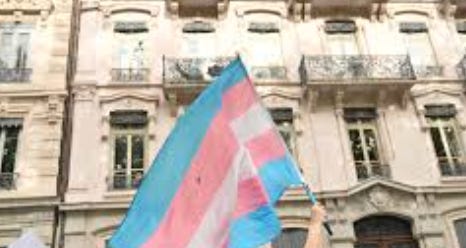
I am writing to you as an open letter on the 31st of March, which is Trans Day of Visibility, a day observed around the world to celebrate the lives of trans people and to affirm that they are seen, that they matter, and that they deserve to live openly and with dignity. It feels like exactly the right day to stand alongside you.
I wanted to write to you directly to offer my support following the recent press coverage of Ipswich Borough Council’s decision to fly the Progress Pride flag, and to reassure you that the criticism you have received is neither legally sound nor rooted in the kind of evidence-based analysis that should shape public debate.
The organisations quoted in the article raising concerns about your council’s decision are For Women Scotland and Sex Matters. Both are listed on Wikipedia as anti-trans organisations. For Women Scotland is described there as a group that has been described as an anti-trans group by multiple media outlets, and Sex Matters is described as a “British gender-critical, anti-transgender advocacy group.” [1] This context matters, because these are not neutral observers raising legitimate legal concerns. They are campaigning organisations with a stated agenda, and that agenda is the rollback of trans rights and visibility in public life.
Flying the Progress Pride flag is a simple, visible act of solidarity. It says to every LGBTQ+ person in Ipswich, including trans people, that they are seen, that they are valued, and that your council stands alongside them. On Trans Day of Visibility especially, that message carries profound meaning. In a climate where trans people face increasing hostility in public life, symbols of welcome and inclusion matter deeply, and your council’s decision is something to be proud of, not to apologise for.
On the legal question, I want to be clear. The Local Government Act 1986 prohibits councils from publishing material designed to affect support for a political party. Flying a flag of inclusion is not party political material. It does not name a party, campaign for a candidate, or seek to influence an election. The claim that it breaches political neutrality laws stretches the purpose of that legislation well beyond what it was ever designed to cover.
There is also an attempt, in some of the commentary around this issue, to tie decisions like yours to the recent Supreme Court ruling in the For Women Scotland case. That ruling concerned a narrow and specific question: the definition of “woman” and “sex” in the Equality Act 2010. It said nothing whatsoever about Pride flags, council symbolism, or the propriety of public bodies expressing solidarity with LGBTQ+ communities. Using that judgment as a lever to pressure councils into removing symbols of inclusion is a misrepresentation of what the court actually decided.
Your council’s decision is a thoughtful, compassionate one. It is entirely lawful, it reflects the values of an inclusive community, and on this Trans Day of Visibility it serves as a reminder that visibility itself is an act of care. It tells trans people in your borough that they are not invisible, that they are not a controversy to be managed, and that they belong.
With warm support and solidarity,
Dr Helen Webberley, Gender Specialist and Medical Educator www.helenwebberley.com
References
[1] Anti-transgender movement in the United Kingdom, Wikipedia
[2] Original article: Labour council under fire over trans Pride flag