

Sorry, Ladies. The Green Party don’t have to put up with your views.
Why the way you express your views matters just as much as the views themselves
Why I am writing this
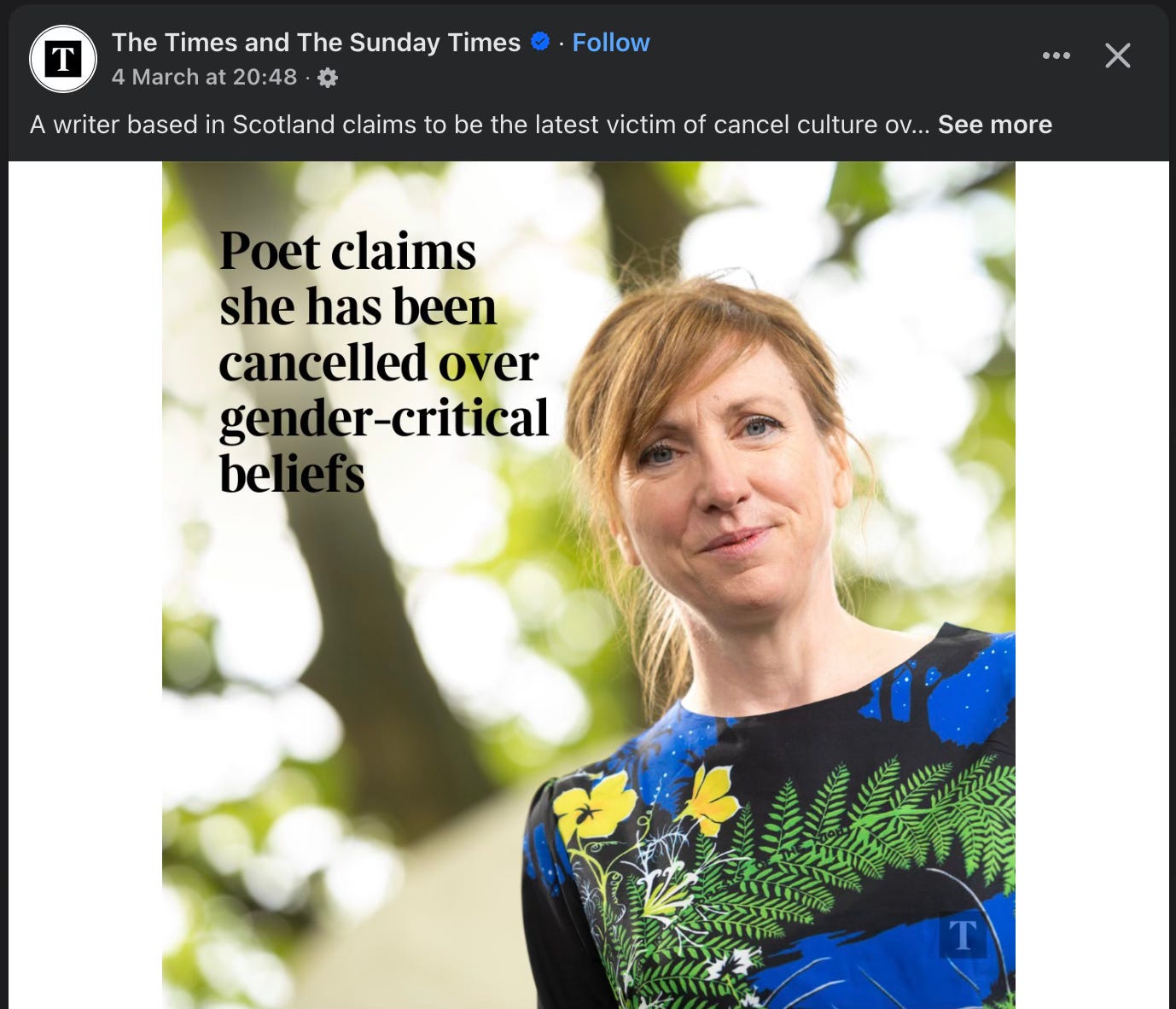
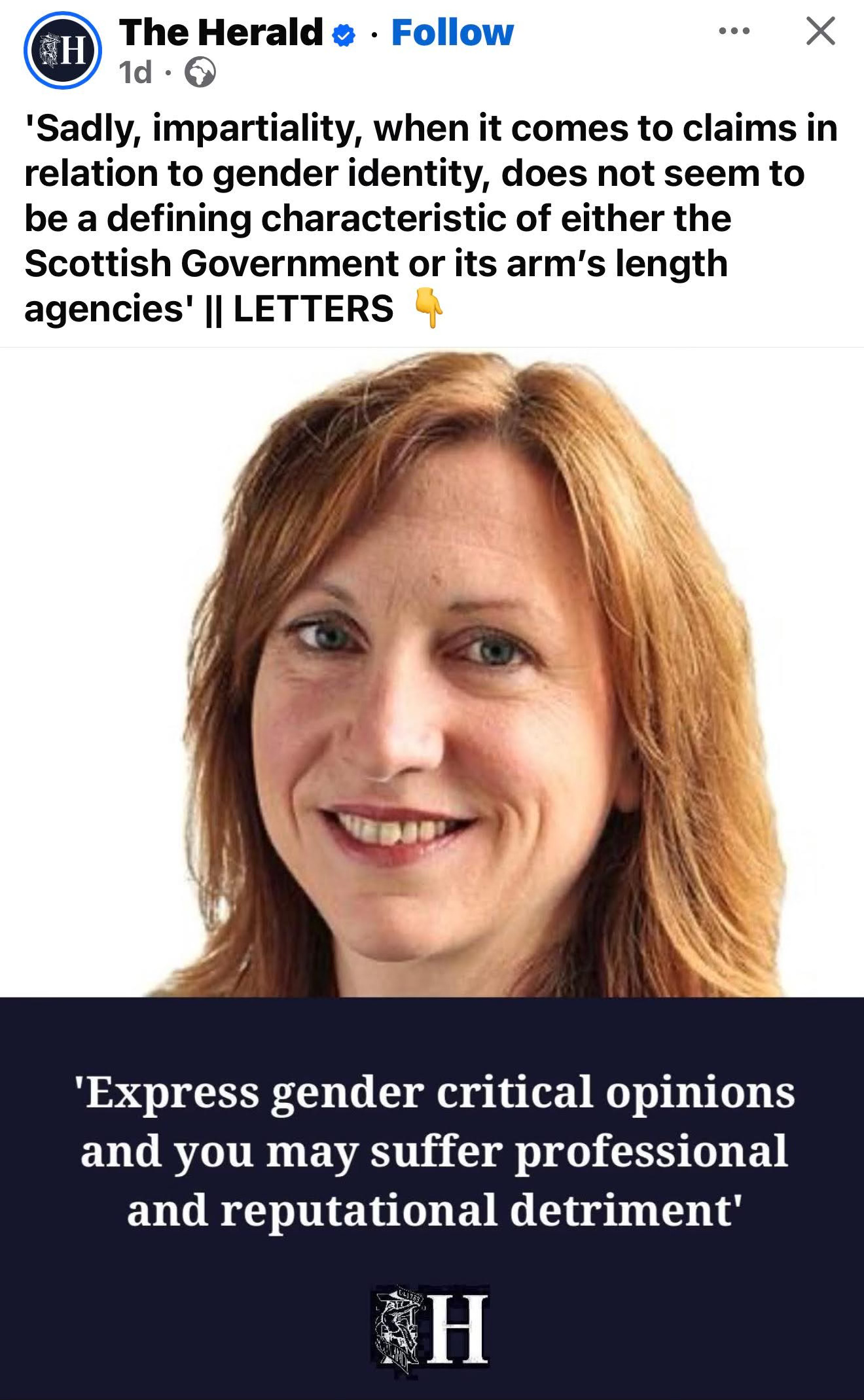
You may have seen four women in the news recently. They are members, or former members, of the Green Party, and they have been on television saying they were expelled simply for holding views about gender and women’s rights. They are calling it discrimination. They are talking about legal action. Their supporters are rallying around them, saying that people should not be punished for what they think.
And here is the thing. On that last point, I actually agree.
People should not be punished for what they think. The right to hold your own views, even unpopular ones, is genuinely important and I would defend it for everyone, including people whose views I strongly disagree with. The law protects it. I protect it. That is not what this article is about.
This article is about something different. It is about what these particular women chose to do with their views in public. Because when you look at the social media posts, the public statements, the things said at election hustings and shared with thousands of followers, a very different picture emerges from the one they are painting on television.
This is not a case of women being quietly expelled for privately held beliefs. This is a case of women who made very public, very harmful statements about trans people, using platforms and professional roles to do it, and are now surprised that their party said enough.
The distinction matters enormously, both legally and morally. So let me walk you through it.
What the law actually says
Gender-critical belief is a protected characteristic under the Equality Act 2010. That means you cannot be sacked, refused a service, or treated unfairly simply because you believe that biological sex is real and fixed. That protection is genuine, it has been tested in court, and I support it.
But here is what the law does not say. It does not say that a private organisation must keep you as a member no matter how you behave. It does not say that a political party must give you a platform for views that directly conflict with its own policies. It does not say that expressing your views in ways that harm other members, or that bring your organisation into disrepute, is something that organisation must simply accept.
Every club, party, workplace, and community group has the right to set standards for how its members behave. If you join a group and then act in ways that go against those standards, the group can ask you to leave. That is not discrimination. That is how membership works.
The crucial question is not whether these women held gender-critical views. The question is whether they were removed because of how they expressed those views publicly. And the evidence on that is very clear indeed.
What they actually said and posted
This is the part that the television appearances tend to leave out. Let’s look at what was actually said and shared in public, because this is the heart of the matter.
Pallavi Devulapalli was the Green Party’s national health spokesperson. At a public election hustings, speaking in her capacity as a doctor and a party official, she told voters there is no trans-hate in society in general. Government figures record over four thousand hate crimes against trans people in a single year, an increase of eleven per cent on the previous year. She dismissed all of that data, in public, while using her medical authority to give that dismissal weight.
On social media, she reposted content stating that predatory men do not become safe when they put on a dress. That is not a philosophical statement about biology. That is a post saying, explicitly, that trans women are predators. She also shared content from a party promising to fight for, in their own words, real women, biological women, and described trans-inclusive guidance from health organisations as unscientific and harmful nonsense.
Zoe Hatch, who held an elected position in the party, publicly called trans-inclusive members of her own party Gender Loons who had jumped on the Green Bandwagon. She called them gender bullies.
Jude English reposted a post describing the news that puberty blockers had become completely inaccessible for trans children as a glorious headline. A glorious headline. For the removal of healthcare from some of the most vulnerable young people in the country.
These are not private beliefs. These are not quiet conversations between friends. These are public statements, shared to large audiences, using professional and political authority to give them reach and credibility. They caused direct harm to trans people who read them, and they directly contradicted the party’s own stated values and policies.
If you were a trans member of the Green Party, reading these posts from your own co-chairs and spokespeople, how would you feel? That is the question that tends not to get asked on television.
Why this means their legal case is on very shaky ground
The former deputy leader of the Green Party, Dr Shahrar Ali, did win a discrimination case against the party in 2024. That case is often cited as evidence that gender-critical members have a strong legal footing. But it is worth being precise about what that case actually found.
Dr Ali’s case was won largely on procedural grounds. The party got the process wrong. A judge found that the way he was removed was procedurally unfair, not that the Green Party was prohibited from ever removing someone whose public conduct conflicted with its policies. Getting the process wrong and the underlying decision being wrong are two completely different things.
For a discrimination claim to succeed, you have to show that you were treated less favourably because of your protected characteristic, in this case your gender-critical belief. If you were removed because of specific public conduct that caused harm and contradicted party policy, and if that same conduct from a member with different beliefs would also have led to removal, then the protected characteristic is not the reason for the removal. The behaviour is.
Given what these women posted and said publicly, that is a distinction any reasonable tribunal would need to examine very carefully.
Being excluded from a group is not the same as being persecuted
I want to say something gently here, but clearly.
If you join a party that has a stated policy of trans inclusion, and you then publicly call your fellow members loons, post content describing trans women as predators, celebrate the removal of healthcare from trans children, and tell voters on behalf of the party that trans hate crime is not really happening, the party is allowed to say that is not what we stand for.
That is not a witch hunt. That is a group of people deciding that the way you are behaving does not fit with who they are. We all experience this in life. If you join a choir and spend your time telling the other members that music is pointless, the choir is allowed to ask you to leave. If you join a running club and tell everyone that running is harmful, the club is allowed to end your membership. This is not persecution. It is just how groups work.
Trans people have been told their whole lives that they are not welcome in spaces, not welcome in communities, not welcome in their own families. They do not get to go on television and call it a witch hunt. They just live with it, quietly, often alone.
The idea that women with large platforms, legal teams, media access, and growing supporter bases are the ones being persecuted, while trans people face documented violence and the removal of their healthcare, is something I struggle to engage with in good faith.
One more thing
There are people building careers and raising funds by campaigning against trans rights. Books are written, speaking tours arranged, donation pages set up, television appearances made.
If your views are sincerely held private beliefs, you do not need a media strategy or a fundraising operation.
The moment opposing trans rights becomes a source of income or fame, something has shifted from belief into something else entirely.
Trans people are not a cause. They are not a culture war to be won. They are people, and they deserve better than to be the raw material for someone else’s public profile.
What I want you to take away
You are allowed to think what you think. Nobody should take that from you.
How you express those thoughts publicly, whether you use a professional platform to spread them, whether you post content that dehumanises a vulnerable group, whether you celebrate harm done to trans children, those are choices. And choices have consequences.
Being asked to leave a group because of the harm your public behaviour is causing is one of those consequences. It is not discrimination. It is not a witch hunt. It is just other people deciding that how you are behaving is not acceptable in their community.
Trans people have been facing exactly that their whole lives. The difference is that nobody is making a television documentary about it.
With love,
Dr Helen Webberley
Gender Specialist and Medical Educator
If this piece has reached you, please share it.
Find more at www.helenwebberley.com
www.helenwebberley.com/p/you-may-disagree-but-you-still-have
It gets so tiresome listening to Gender Conservatives claim they have the right to express themselves views absolutely anywhere. Their right to their view is as valid as a racist. If they can think of where a racist cannot express their view then the same applies to them.
Thank you for stating this so clearly. And for your courage in standing up for reality and truth.