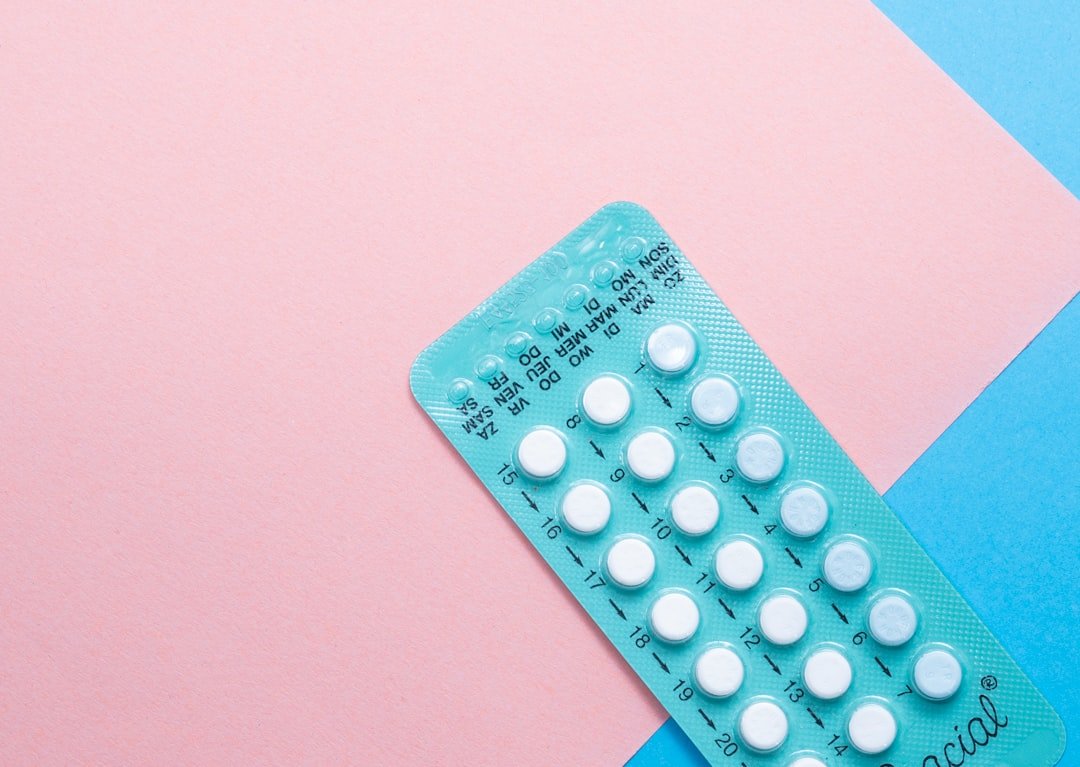
The HRT shortage is real, and it has caused genuine distress for menopausal women who depend on these medicines. But the cause is not trans women. The shortage has its roots in manufacturing failures, supply-chain disruption, surging demand following renewed public awareness of menopause, and decades of underinvestment in women's health, not in a small group of trans people accessing gender-affirming care.
What actually caused the HRT shortage?
When shortages began hitting pharmacies hard, some voices in the press and on social media were quick to point a finger at trans women. The claim, stripped to its bones, was that trans women taking oestrogen were depleting supplies that menopausal women needed. It spread quickly, in part because it felt like a tidy explanation for something complicated and frightening, and in part because blaming trans people for things has become a reliable way to generate attention.
The reality is rather less dramatic, and rather more structural. The medicines most commonly used in gender-affirming hormone care, injectable oestradiol valerate, oral oestradiol, certain transdermal patches and gels, overlap only partially with the formulations most prescribed for menopausal hormone therapy. The shortages have been worst for specific branded products, driven by manufacturing problems at individual facilities, changes in licensing, regulatory delays, and, crucially, a very rapid and welcome increase in the number of menopausal women coming forward to ask for HRT after years of being undertreated.
That last point is significant. For decades, menopausal women were told to put up with symptoms, or were handed antidepressants and sent home. The shift in public understanding, driven largely by menopausal women themselves, by campaigners, by clinicians who had long argued for better care, produced a surge in prescribing that the supply chain was simply not prepared for. That is the story. It is a story about how poorly medicine has historically treated women's health, and how unprepared pharmaceutical supply chains are for rapid demand change.
There is a longer history behind that surge, too. For roughly two decades after the Women's Health Initiative study in 2002 overstated the risks of HRT for most women, prescribing was kept artificially low and many women went without. When the clinical guidance finally corrected course, demand did not climb gently: it rebounded fast, against supply chains that had been built around the suppressed figures. Part of today's shortage is that rebound catching up with us.
How many trans women are actually taking HRT?
The numbers matter here, and the numbers have been used dishonestly in this debate. Trans women are a small proportion of the population. Estimates vary, but even the most generous reading puts the number of trans women in the UK at somewhere between 0.1 and 0.5 percent of the adult population. The number actively taking feminising hormone therapy is a subset of that. Set against the millions of menopausal women who might benefit from HRT, the contribution of trans women to overall oestrogen demand is, in plain statistical terms, negligible.
This is not an argument about whose need is greater. Every person who needs a medicine should be able to access it. It is simply a factual correction: the arithmetic does not support the claim. If you removed every trans woman from the prescription database overnight, the shortage would not resolve. The structural problems would remain exactly where they were.
Why does the blame land on trans women?
I think about this a lot, because it is not really about HRT at all. The willingness to blame trans women for a supply-chain failure, without evidence, without arithmetic, and often with considerable heat, reflects something that has become familiar: trans people, and trans women in particular, have become a culturally convenient target. When something goes wrong, or when a group of people feel let down by a system, there is a powerful temptation to find a human cause. Trans women sit at a point of high social visibility and low social power. They are easy to blame.
The menopausal women affected by the shortage deserve real answers and real solutions. They do not deserve to be handed a scapegoat that leaves the structural problems unaddressed. And trans women deserve to exist without being named as the cause of harms they did not create.
What is the real impact on trans people?
While the debate has centred largely on menopausal women's access, rightly, because their distress is real, the same shortages have hit trans people hard, and that impact has received almost no coverage. When oestradiol valerate injections become unavailable, trans women on long-term injectable regimens face abrupt gaps in their care. When specific patches or gels are out of stock, switching formulation mid-treatment is not always straightforward, and not always clinically equivalent for that person.
Trans people navigating gender-affirming hormone care often have fewer clinical advocates, less easy access to informed prescribers, and a system that is already stretched. A shortage does not affect everyone equally: it tends to fall hardest on those who have the least systemic support. The absence of that story from the public conversation is itself telling.
What needs to change?
Solving an HRT shortage requires fixing supply chains, investing in pharmaceutical manufacturing resilience, expanding the pool of clinicians who can prescribe confidently for menopause, and funding women's health properly after decades of neglect. None of those solutions involve trans women. None of them are advanced by the blame narrative.
What would actually help menopausal women is honest political pressure on the pharmaceutical industry, proper government accountability for strategic medicine stockpiling, and the kind of sustained investment in women's health that campaigners have been asking for for years. The energy that goes into blaming trans women is energy that is not going into any of those things. That, too, is part of the story.
What should trans people know if they are affected?
If you are a trans person whose hormone prescription has been disrupted by shortages, you are not alone in this, and it is not your fault that supply has become unreliable. Your need for that medicine is legitimate, and a shortage does not change that. Talk to your prescribing doctor about what formulations are currently available and whether a switch is clinically appropriate for you. If you are struggling to access care, GenderGP at gendergp.com has prescribers who understand gender-affirming hormone regimens and can help you navigate shortages with the clinical knowledge this requires.
And if you have seen the headlines blaming you for other people's access problems, I want to say plainly: the evidence does not support that claim. You are not taking anyone's medicine. You are trying to access your own.
If there is a topic that you would like me to cover, just let Sammy know.
Dr Helen Webberley is a Gender Specialist, Medical Educator, and advocate. She is the founder of GenderGP and the creator of this platform, dedicated to truth, support, and equality in gender diversity.