
A new GLAAD poll of more than 5,000 US adults has found that just 8% of voters identify transgender issues as a top concern, while 44% name inflation and the rising cost of living as their number-one priority. Seven in ten said they would rather support candidates focused on lowering everyday costs than those focused on restricting trans rights. The gap is not subtle. It is a chasm.
So here is the obvious question: if voters care that much more about the cost of housing, fuel, healthcare, and groceries than about what trans people do with their lives, why is so much political energy, legislative time, and public money being spent on restricting trans lives? Who benefits from that choice, and who pays the price?
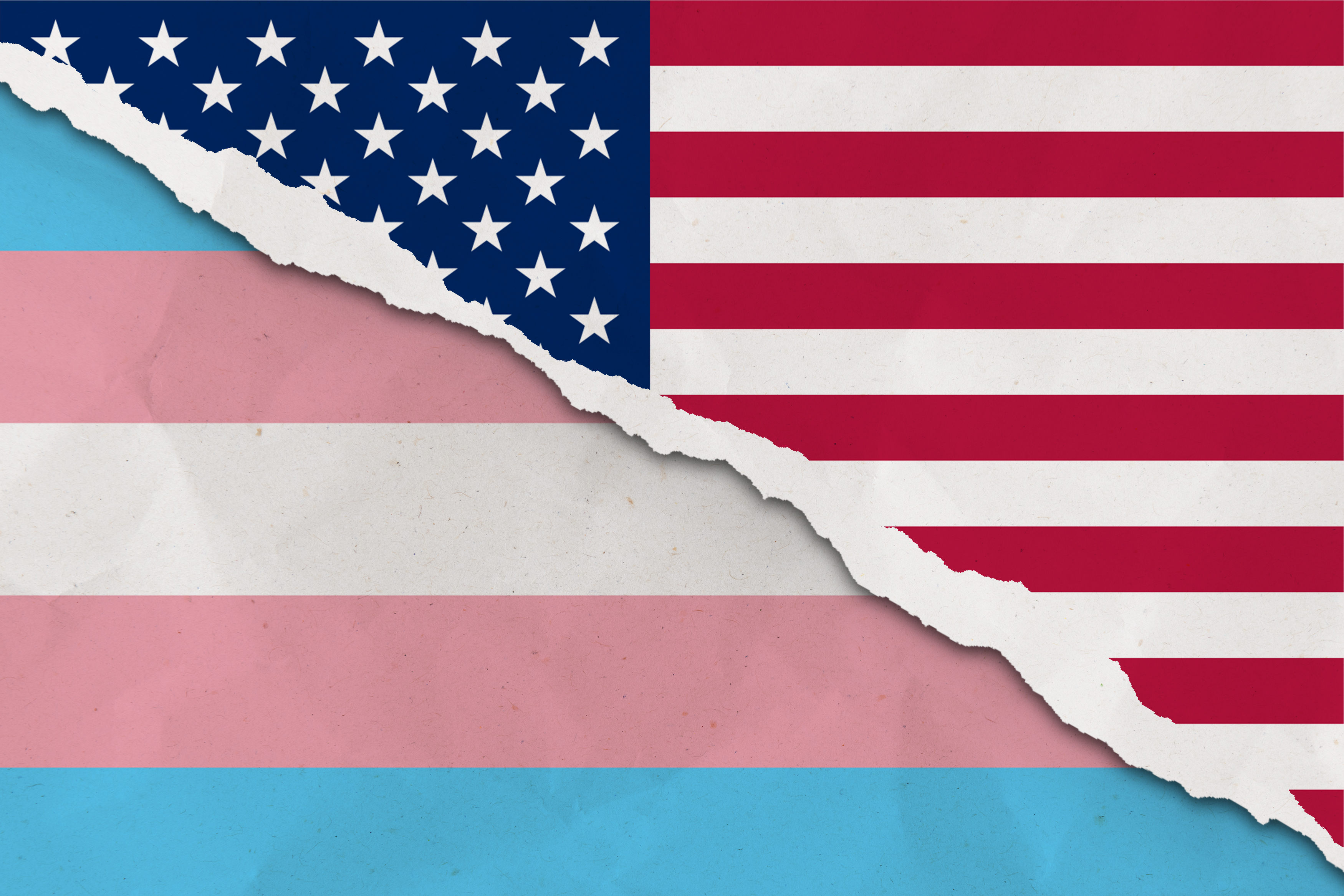
The people paying the price are not hard to identify. Trans young people whose access to healthcare has been stripped away. Trans adults navigating a legal landscape that shifts beneath them from one week to the next. Families trying to protect their children while politicians compete to use those same children as election-year props. The cost of that is real and it is being borne by a small group of people who did not ask to be anybody's culture war.
The people who benefit are also not hard to identify. GLAAD CEO Sarah Kate Ellis put it plainly: 65% of respondents agreed that politicians often scapegoat transgender people as a distraction from other pressing issues. Most Americans can see the mechanism. They are watching it happen and they recognise it for what it is.
What I find genuinely heartening in this poll is not just what people said they opposed. It is what they said they believed. Nearly three-quarters said they would support a candidate who believes everyone deserves to live free from fear and discrimination. That is not a marginal progressive position. That is most of the country, across party lines, agreeing on something basic and human. More than three-quarters said they trust companies that stand by their values even when it proves controversial, and 68% said companies should be free to support LGBTQ+ people if they choose. At a time when corporate Pride rollbacks have made headlines and some brands have gone conspicuously quiet, that is a reminder that the audience watching is not who the frightened executives seem to think it is.
None of this means trans people are safe. Polls do not repeal legislation. A supermajority of Americans supporting basic dignity has not stopped dozens of states passing laws that deny it. Public opinion and political outcomes are not the same thing, and the gap between them is where a lot of harm currently lives. Trans people in the United States are living through that gap right now, and the polling does not change their daily reality.
But it does matter that the story being told about public opinion, the story that says restricting trans rights is a vote-winner, a crowd-pleaser, a necessary gesture to a restless base, is not accurate. The data says otherwise. Most Americans are not lying awake worrying about who uses which toilet. They are lying awake worrying about whether they can afford the grocery shop, whether they can make rent, whether their kids will have opportunities they themselves had. Trans people are their neighbours, their family members, their colleagues, their friends. Most people, when they stop and think about it, simply want everyone to be treated with dignity.
The politicians who have spent the last several years manufacturing a crisis out of trans existence owe the voters who trusted them a great deal of lost time and squandered attention. The families of trans young people who have watched their children denied care, denied recognition, and denied peace owe those politicians nothing.
The GLAAD poll is not a revolution. It is a reminder of something that was always true: most people are kinder than the loudest voices suggest, and most voters have more pressing things on their minds than policing other people's identities. The question is whether politicians will catch up, or keep choosing the distraction over the substance.
Comments