
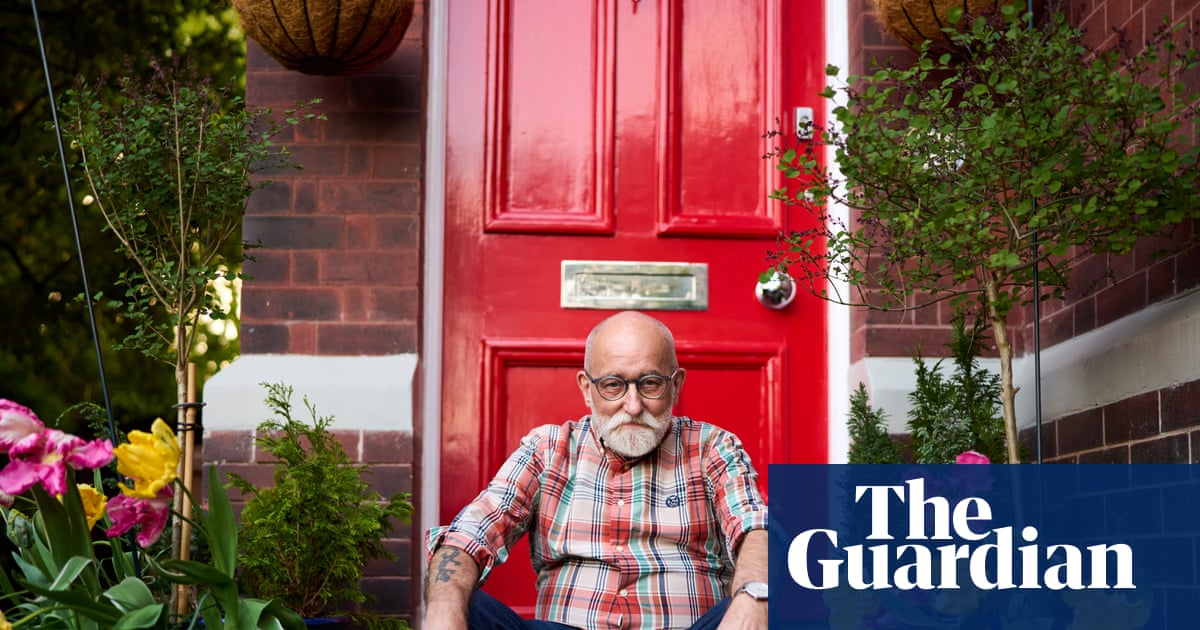
Stephen Whittle was at the Chelsea Flower Show with his wife when the Equality and Human Rights Commission published its updated code of practice. He is 70 years old, a pioneer of gender recognition law in this country, and he has been using male facilities for fifty years. He kept doing exactly that. "Can you imagine what the guy on security would have said if I'd gone to the ladies?" he told the Guardian. There is something quietly devastating about that image: the man who spent decades fighting for trans people's legal recognition, standing among the roses, reminding himself that the question of which door he walks through has apparently become the central concern of British equality law in 2026.
Blake, a data analyst near Liverpool, watched the evening news and felt something simpler: humiliation. "Having this frame of 'where are people going to pee?' It's such a reduction of the problems we have in our lives, like access to healthcare, and also a real day-to-day struggle." He is right. Trans people in this country are navigating years-long healthcare waiting lists, social isolation, discrimination at work, and families torn apart by political pressure. The EHRC's 340-page document has landed in the middle of all that, and the headline it generated was toilets.
The word Blake used, humiliating, is precise and it matters. Dignity is not a soft add-on to equality law. It is the point of it. When guidance makes people feel reduced, surveilled, and unwelcome in the most ordinary spaces of daily life, it has not found a balance. It has failed.
What the code actually means for people living real lives
Alice is an anaesthetist working in England. She has been quietly coordinating with colleagues since the Supreme Court ruling in April 2025, mapping out where gender-neutral facilities exist in the hospital at "strategic intervals". The building she works in is old, the facilities limited, and she can sometimes find herself far from a toilet she is now permitted to use, facing a choice between leaving a patient or dehydrating herself. She would never leave a patient. So she goes without. This is what the guidance looks like in practice, not as a policy question but as a person's working day.
Alice is making plans to leave the UK. "It's been made abundantly clear that I'm not welcome. I love my job and my family have a happy life here, but I will not be a second-class citizen in my own country." Doctors who are trans, who have trained for years and who show up every day and put patients first, are calculating whether Britain is worth staying in. That is a cost the code of practice did not factor in, and it should have.
Organisations trying to stay decent under difficult law
Katie Russell runs Support After Rape and Sexual Violence Leeds, a service that supported 1,700 people last year. Trans women and non-binary clients are a small part of that caseload, supported mainly through one-to-one work, online or by phone. She has taken bespoke legal advice, consulted with service users, and her organisation is updating its governing documents. They can no longer call themselves women-only, so they are shifting to women-centred, with explicit language making clear that trans women are included. "We want to operate within the law but continue to model our intersectional feminist values," she said. There is something worth noticing in the calm of that response: a rape and sexual violence service, doing careful, considered work to protect trans survivors, because it understands that a trans woman who has been raped also needs somewhere to go.
Lush called the guidance "a significant setback for human rights in the UK" and their campaign lead, Andrew Butler, put it plainly: the code puts frontline workers in the position of policing people's gender on the basis of visual perception, with their organisation's legal liability resting on that judgment. "The guidance is a mess because the legislation is a mess," he said. He is right about that too. The Supreme Court interpreted the Equality Act; it did not amend it. Parliament wrote that law, and Parliament can change it. The EHRC's code reflects a legal interpretation, not an immovable fact of nature.
What dignity actually requires
Stephen Whittle's instinct on Friday was to calm people down: "Stay cool; we'll get through this." That comes from fifty years of fighting and winning, of watching law shift and culture shift, of knowing that what looks like a wall is sometimes just a door that hasn't been opened yet. I understand that impulse and I share it.
But I also think Blake is owed more than calm right now. Watching yourself become a national news story about where you are allowed to use the bathroom, while the healthcare you need remains years away and the hostility in public life is audible, is genuinely humiliating. Naming that clearly is not catastrophising. It is accuracy.
Trans people in this country are not asking for special treatment. They are asking to be able to do their jobs, use a toilet, access a rape support service, and go home at the end of the day without having been made to feel like a problem to be solved. That is not a high bar. Equality law was supposed to clear it.
Comments