
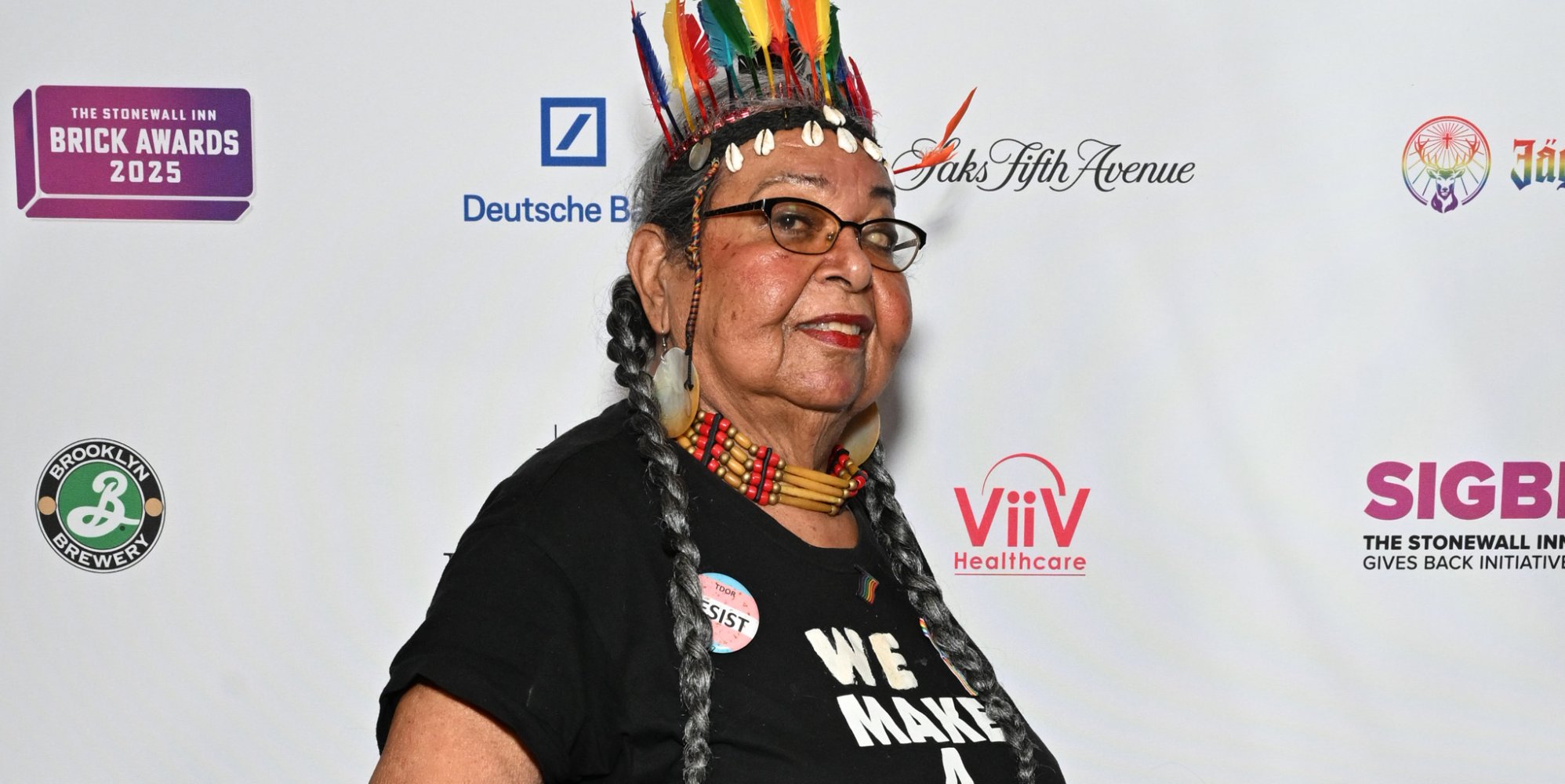
Victoria Cruz died on 3 July 2026, aged 79, following a battle with liver cancer. She was a transgender rights advocate, a Stonewall veteran, and for 17 years a steady, trusted presence at the New York City Anti-Violence Project, where she helped LGBTQ+ people who had survived violence, discrimination, and the particular cruelty that the world reserves for people it has decided do not belong. People in her community did not ask for a caseworker or an advocate by job title. They asked for Miss Vicky.
That tells you almost everything.
She was there at the beginning
Victoria Cruz was present at the Stonewall Inn in Greenwich Village during the 1969 uprising. She was described as having played a quieter role than figures like Marsha P. Johnson or Sylvia Rivera, and I think that description, while accurate in one sense, misses something. Not every revolution is led from the front. Some people keep the fire going after the cameras go home, and the movement cannot survive without them.
What strikes me about Victoria Cruz is that she was there in 1969, when being a trans woman meant having almost nothing the law recognised as yours, and she was still there decades later, helping people who had been assaulted navigate a legal system that had historically treated their suffering as either invisible or deserved. That is not a quieter role, but a different kind of courage, and a harder one to sustain.
What she said about empathy
In a 2022 interview for the Anti-Violence Project, Cruz reflected on why she had given so much of herself to this work. She said: "If you have the empathy to help out people, that's half the ordeal. Just having the empathy and letting them know that you're there to help them, not to judge them."
I have heard versions of that sentiment from a great many people over the years, but I do not think I have ever heard it said more simply or more truly. Not to judge them. She understood that the people coming to her were already carrying the weight of a world that had been judging them relentlessly, and that the most powerful thing she could offer was the absence of that. She offered it for 17 years.
She was also, it is worth saying, a survivor herself. Cruz experienced anti-trans workplace harassment and assault. She was not helping from a place of untouched remove. She knew what it cost to have your dignity stripped from you, and she chose to spend her life helping others reclaim theirs. That is not a small thing. That is a life.
The line from Stonewall to now
Victoria Cruz's generation built something from almost nothing. There were no Gender Recognition Certificates, no Equality Act protections, no WPATH Standards of Care, no mainstream acceptance that trans people existed as anything other than a punchline or a threat. The language that many of us use now to describe our identities, our bodies, our needs, had not yet been developed. And still they organised, still they turned up for each other, still they walked into a police riot and refused to disappear.
What does it mean to inherit that? I think it means we cannot afford to be demoralised by the current political climate, however exhausting it is. Trans people in the UK are watching legal protections be reinterpreted in ways that deny what Parliament intended. Trans young people have lost access to puberty blockers. The noise from those who want to undo the progress of the last fifty years is loud and well-funded. I understand why people are tired.
But Victoria Cruz spent decades doing this work without any of the frameworks we now have. She helped people survive a world that was actively hostile to their existence, and she did it with empathy, without judgment, one person at a time. The tools we have now are better. The obligation does not shrink just because things have got harder again.
The Death and Life of Marsha P. Johnson
Cruz featured prominently in the 2017 documentary The Death and Life of Marsha P. Johnson, which followed her investigation into Marsha's death in 1992. She did not let that story go. She kept asking questions about someone the authorities had been content to leave unanswered. That persistence, that refusal to let a trans woman's life be dismissed, was characteristic of everything she did.
In 2012, she received the National Crime Victims' Service Award from the US Department of Justice, formal recognition of what she had given. But I suspect the recognition that mattered most to her was simpler: a member of the community, frightened and alone, asking for Miss Vicky by name, knowing she would not be judged.
What we owe her
I do not think we honour people like Victoria Cruz by mourning them and moving on. I think we honour them by asking what they were building and then continuing to build it. She gave 17 years to people in their worst moments and helped them find a way through. She investigated an injustice that everyone else was prepared to forget. She was at Stonewall, and she stayed.
The trans community today is not starting from nothing, the way her generation did. We have language, we have research, we have international guidelines, we have each other in ways that were impossible before the internet made community across geography possible. We have all of that because people like Victoria Cruz refused to stop.
Rest now, Miss Vicky. The work continues.
If there is a news story you would like me to cover then just let Sammy know.
Dr Helen Webberley is a Gender Specialist, Medical Educator, and advocate for trans rights and gender diversity.
Comments