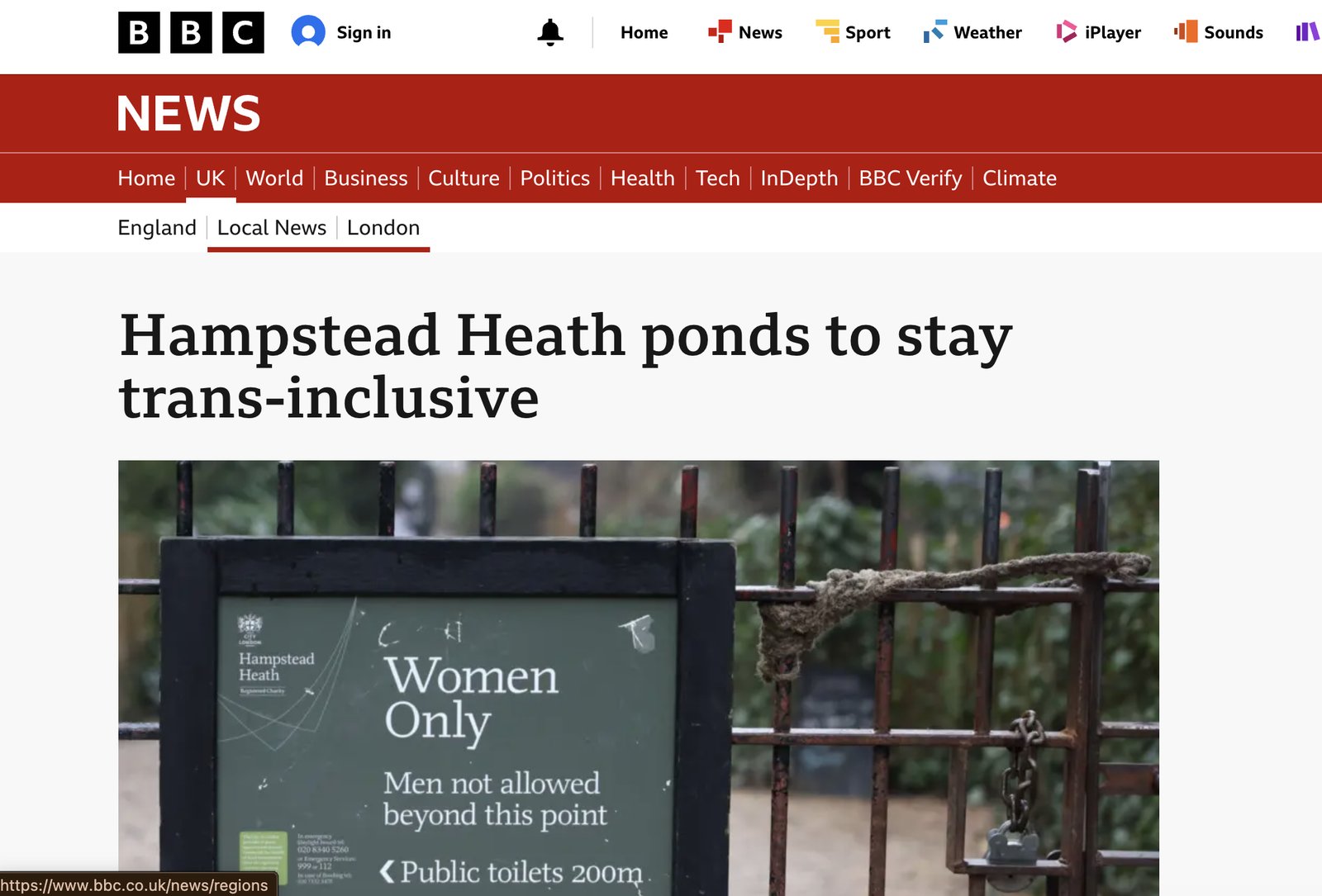
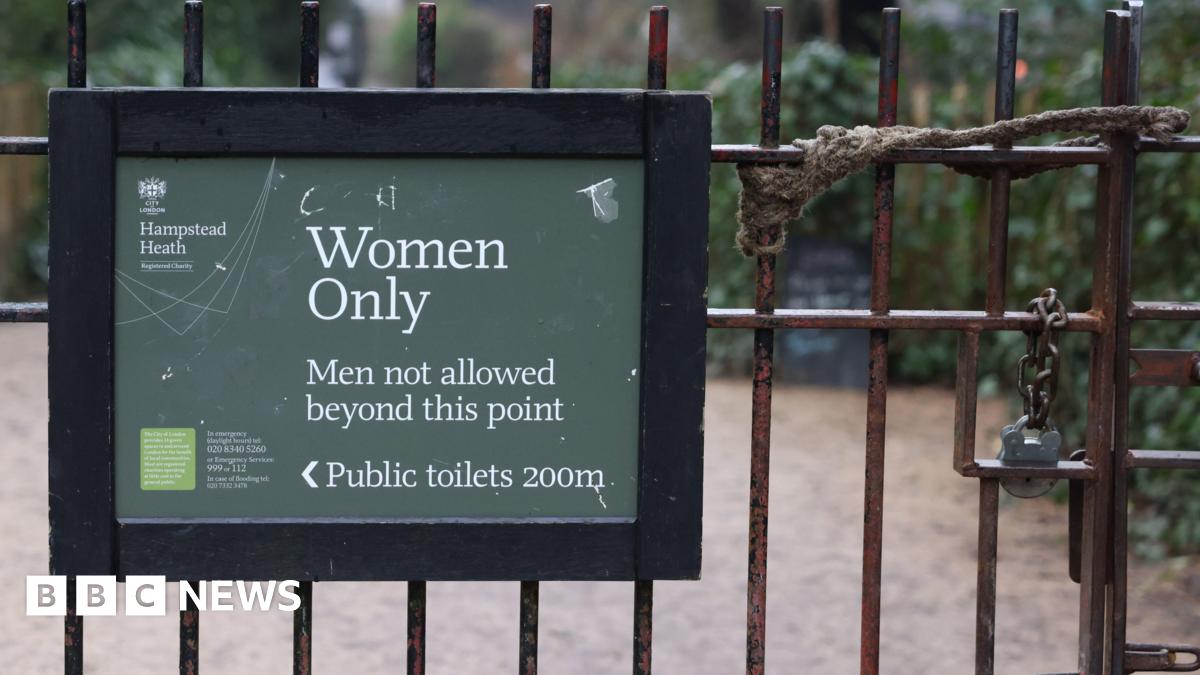
City of London Corporation councillors have approved in principle a recommendation to keep Hampstead Heath's bathing ponds trans-inclusive, alongside a programme of privacy upgrades at the Ladies' Pond. A final decision is due on 4 June. This is the right call, and I want to explain clearly why the arguments against it do not hold up.
What has actually been decided?
The existing arrangements allow access according to the gender with which users identify. The Corporation confirmed this policy has been in place since at least 2017 and is consistent with the interpretation of the Equality Act 2010. A consultation last year drew more than 38,000 responses, with an overwhelming majority in favour of keeping things exactly as they are. Only 13% wanted to restrict access. Officers have also recommended up to £1m of improvements to changing, showering, and toilet facilities, so that anyone wanting privacy when changing has it. That is a thoughtful, proportionate response.
What about the Supreme Court ruling?
Following the 2024 Supreme Court judgment that "sex" under equalities law refers to sex recorded at birth rather than certified sex, the Corporation undertook a review. It has concluded, in line with the consultation, that the inclusive arrangement should continue. That is because the Equality Act 2010 also contains a provision, under Schedule 3, that allows service providers to extend a single-sex service to trans people. Including trans women in the Ladies' Pond is lawful. The suggestion by Sex Matters that the policy is "simply unlawful" is a personal opinion, not a legal fact, and a hearing later this year will test that claim. The Corporation has taken its own legal advice and reached a different conclusion.
Is this about safety?
Trans women are women. Including them in women's spaces does not create risk. There is no credible evidence that trans-inclusive policies increase harm in swimming or changing facilities, and trans people have been using spaces consistent with their gender identity for years without the harms their opponents predict. What does create harm is exclusion. Being told you do not belong, being turned away from a community space, being treated as a threat rather than a person: that is the harm I see in my work every day. The upgrades to privacy facilities are welcome for everyone who wants them, and they show it is entirely possible to improve a space without making it hostile to trans people.
Why does this matter beyond one set of ponds?
Hampstead Heath's ponds are one of the most visible trans-inclusive spaces in the country, and the pressure campaign against them has been relentless and well-funded. If it had succeeded, it would have been used as a blueprint to challenge trans-inclusive policies everywhere: pools, changing rooms, refuges, sports facilities. The Corporation holding its position matters, and the consultation result matters. When 87% of people who responded said they wanted inclusion maintained, that is not a number to dismiss or to describe as "extraordinary" in a tone of suspicion. That is a community saying clearly what it wants.
The final decision on 4 June will matter. I will be watching it, and I hope you will too.
If this is useful to you, please share it. Every share helps more people find accurate information about gender diversity.
Dr Helen Webberley, Gender Specialist and Medical Educator.
helenwebberley.com
Comments