
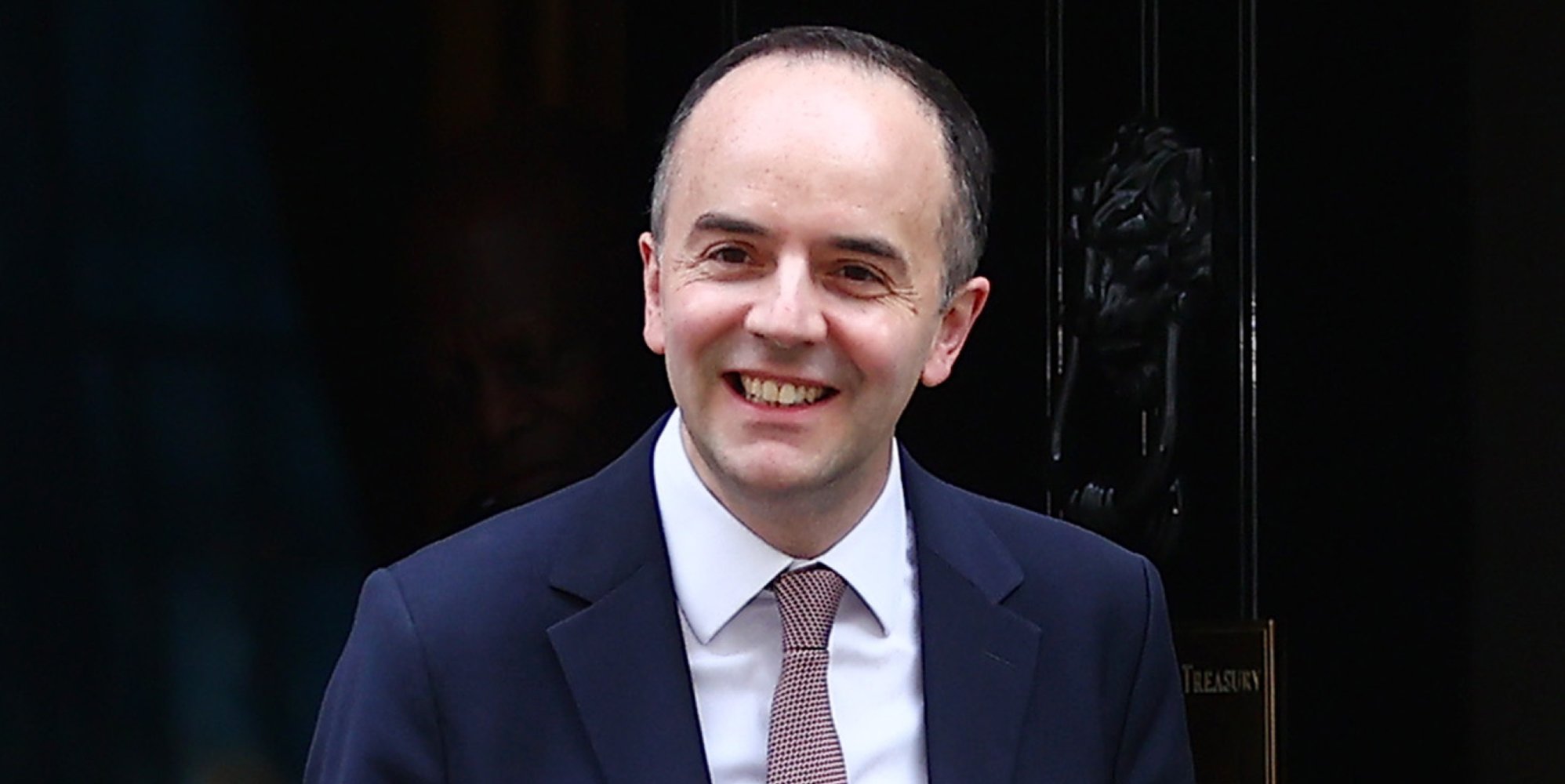
James Murray became Secretary of State for Health and Social Care after Wes Streeting resigned on 14 May 2026. Murray has been MP for Ealing North since 2019, and moved into this role from his position as Chief Secretary to the Treasury. He is gay, which some have noted as though it automatically signals something about where he stands. I am not sure it does, at least not on its own. What I am interested in is his record, and more than that, what trans people and their families actually need from whoever holds this brief right now.
What did Wes Streeting leave behind?
Streeting's tenure was, for many trans people and families, a deep disappointment. He had previously expressed support for the trans community, but his time in office saw a ban on puberty blockers for trans youth become entrenched. He told The Sun in 2024 that he no longer stood by the position that trans men are men and trans women are women, describing "lots of complexities" instead. Whether that shift was principled or political, the effect was the same: trans young people lost access to medication that was pausing puberty while they and their families worked out their next steps, and the waiting lists for NHS gender services remained years long.
That is the landscape Murray has inherited. Not a blank page, but one already written over in ways that have caused real harm.
What Murray has said, and when he said it
In 2022, Murray stated plainly on TalkRadioTV that he believes trans women are women. That is a good starting point. But by April 2025, after the Supreme Court's ruling that the terms "woman" and "sex" in the Equality Act 2010 refer to biological sex, he was among 54 out LGBTQ+ Labour MPs who did not respond when PinkNews asked whether they believe trans women are women. That silence is not neutral.
After the ruling, he wrote that he agrees trans people must be able to live their lives with dignity and safety, and that he shares the Government's commitment to a full, trans-inclusive ban on conversion practices. He also said that single-sex spaces should operate on the basis of biological sex, in line with the ruling. His framing was careful: "Trans people should have access to services they need but in keeping with the ruling."
I want to be fair about what the Supreme Court ruling actually was. The Court interpreted the Equality Act, it did not rewrite it, and that interpretation has been widely criticised as inconsistent with Parliament's original intent. Trans people remain protected under the characteristic of gender reassignment. Murray aligning himself with the ruling is not the same as endorsing its most exclusionary applications, but it does tell us something about where he is willing to plant his flag under pressure.
What he would need to do to actually help
Words about dignity matter less than decisions about services. So here is what a genuinely supportive Health Secretary would need to address, starting now.
Gender services for adults and young people in England are in a state that I can only describe as crisis. Waiting times run to years. The Cass Review, whose citation behaviour and methodology have been widely challenged by gender experts internationally, led to the severe restriction of puberty blockers for trans youth, a restriction that has caused serious harm to real young people and their families. That harm does not become acceptable because it was framed in cautious language.
Murray would need to be willing to look at that landscape honestly. A trans-inclusive conversion practices ban, which he has committed to in principle, would matter: coercive attempts to change or suppress someone's gender identity cause documented harm, and the UK has been slow to act. But a ban on conversion practices while leaving gender services in their current state is a thin kind of support.
The commissioning of new gender services, investment in training clinicians who can provide gender-affirming care, and an honest reassessment of the evidence base that underpinned the puberty blockers ban: these are the decisions that would tell trans people whether he means what he says about dignity. They are also decisions that require political courage, because the climate around trans healthcare in England has been hostile for years.
What I actually hope for
I notice that Murray has not completely abandoned the language of trans inclusion. He has not, as some in his party have, actively courted the most hostile positions. His letter after the Supreme Court ruling was cautious, but it did not read as hostile. That is a low bar, and I am aware of how low it is, but it is where we are.
What I hope is that taking on the Health brief changes what Murray focuses on. Abstract questions about definitions matter far less to trans people than concrete questions about whether they can see a doctor, get the care they need, and live their lives. If Murray is serious about dignity and respect, then the gender services waiting list, the puberty blockers ban, and the post-Cass landscape are where that seriousness has to show up.
Trans people and their families are not waiting for someone to say the right words in an interview. They are waiting for services that work, clinicians who are supported to do their jobs, and a government that treats their healthcare as healthcare, rather than as a political calculation. Murray now has the power to move some of those things. The question is whether he will.
Comments