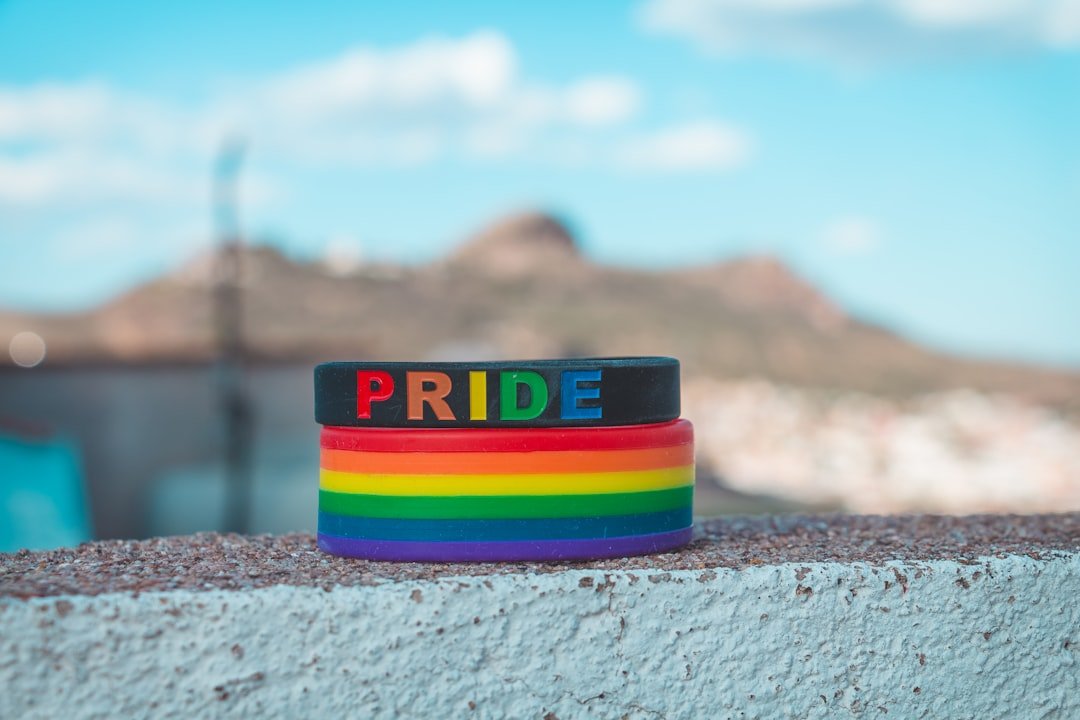
Pride is not a political event, until someone with power cancels it. What happened in St Helens this week is a sharp, concrete demonstration of what Reform's local election wins mean in practice for ordinary LGBTQ+ people living in those towns.
George Woodward, the Reform UK leader of St Helens Borough Council, posted a statement on Facebook on 9 June instructing council officers to "cease engagement with all aspects" of the local Pride event. The council would not, he wrote, be "supporting or promoting Pride" because he considered it a "celebration of sexuality" with "left-wing political leanings" not worth dedicating council resources to. He then went further, describing his "deep concern" about Pride's affiliation with what he called "harmful transgender ideology", and invoking a duty of care to children in the borough.
Let me take that second claim seriously for a moment, because it deserves a proper answer rather than a wave of the hand. The claim that affirming trans young people causes "lifelong medical harm" is not a medical finding. It is a political talking point, recycled from a small number of contested reviews and discredited largely by the very international bodies that set the standards for gender-affirming care: WPATH, the Endocrine Society, the American Academy of Pediatrics, and others. What the evidence does consistently show is that trans young people who are seen, supported, and affirmed have better mental health outcomes, lower rates of self-harm, and a stronger sense of who they are. The harm Woodward is worried about runs in exactly the opposite direction to the one he names.
The framing of Pride as a threat to children is not new, and that is worth saying plainly. It is a very old rhetorical move, applied in living memory to gay men, to lesbian women, to bisexual people, and now to trans people. The targets change; the language stays almost identical. Visibility is reframed as grooming. Existence is reframed as ideology. Asking to be treated as a human being is reframed as a political demand. If you recognise the pattern, it is because you have seen it before.
What made the response to Woodward's post genuinely worth reading was the clarity and warmth of the people who pushed back. One commenter drew a comparison between Pride and Remembrance Day that I think is worth noting: both are about honouring people who fought for freedom and dignity, both ask us to remember what was lost, and both ask us to make sure it is not lost again. Another wrote, simply, that acknowledging trans people exist and deserve respect is not indoctrination. It is compassion. That is correct, and it needed saying.
Councillor James Dunn, of the Rainhill Independents, was direct and decent. He made clear that Woodward's view is not shared by everyone in the council chamber, that LGBT residents are part of St Helens, that trans residents are part of St Helens, and that young people working out who they are belong to St Helens too. He also made a point worth underlining: the council did not directly fund St Helens Pride. Woodward was not withdrawing a grant. He was making a public statement about whose existence the council is prepared to acknowledge, and he chose to make trans people the centrepiece of that statement.
The community's response to all of this was to hold an alternative Pride celebration on 6 June, before Woodward's statement was even published. That is the thing about Pride. It does not require a council's permission. The people who show up are not there because a local authority endorsed the event. They are there because visibility matters, because community matters, because for many LGBTQ+ people in towns like St Helens, seeing other people like themselves in public, together, without apology, is not a luxury. It is the kind of ordinary reassurance that other people take entirely for granted.
What concerns me most about what happened here is not Woodward himself. Politicians say things like this, and voters and colleagues and commenters can respond, as they did here, with intelligence and warmth. What concerns me is the young trans person in St Helens who read that statement from the leader of their local council and understood, very clearly, what message was being sent to them. You are a problem to be managed. Your existence is ideological. The adults with power in this building are not on your side.
That is a hard thing to read at any age. At fifteen or sixteen, when you are still working out who you are, when you have not yet told anyone, when you are checking the temperature of the room before you say anything, it lands differently. Councillor Dunn's response matters precisely because it exists alongside Woodward's, because those same young people can also read that there are adults in the chamber who see them, who think they belong, and who will say so publicly. That is not nothing. That is, sometimes, everything.
If there is a news story you would like me to cover then just let Sammy know.
Dr Helen Webberley is a gender specialist, medical educator, and advocate, and the founder of GenderGP. She writes about gender diversity, trans healthcare, and the lives at the centre of both.
Comments