
A 15-year-old trans girl, relentlessly bullied, asked one question: whom is she harming? No adult has yet answered it well. The young people are not the ones struggling here. Adults are, and the cost of that hesitation is paid by children who only want to walk to class in peace.
She was only asking to be left alone
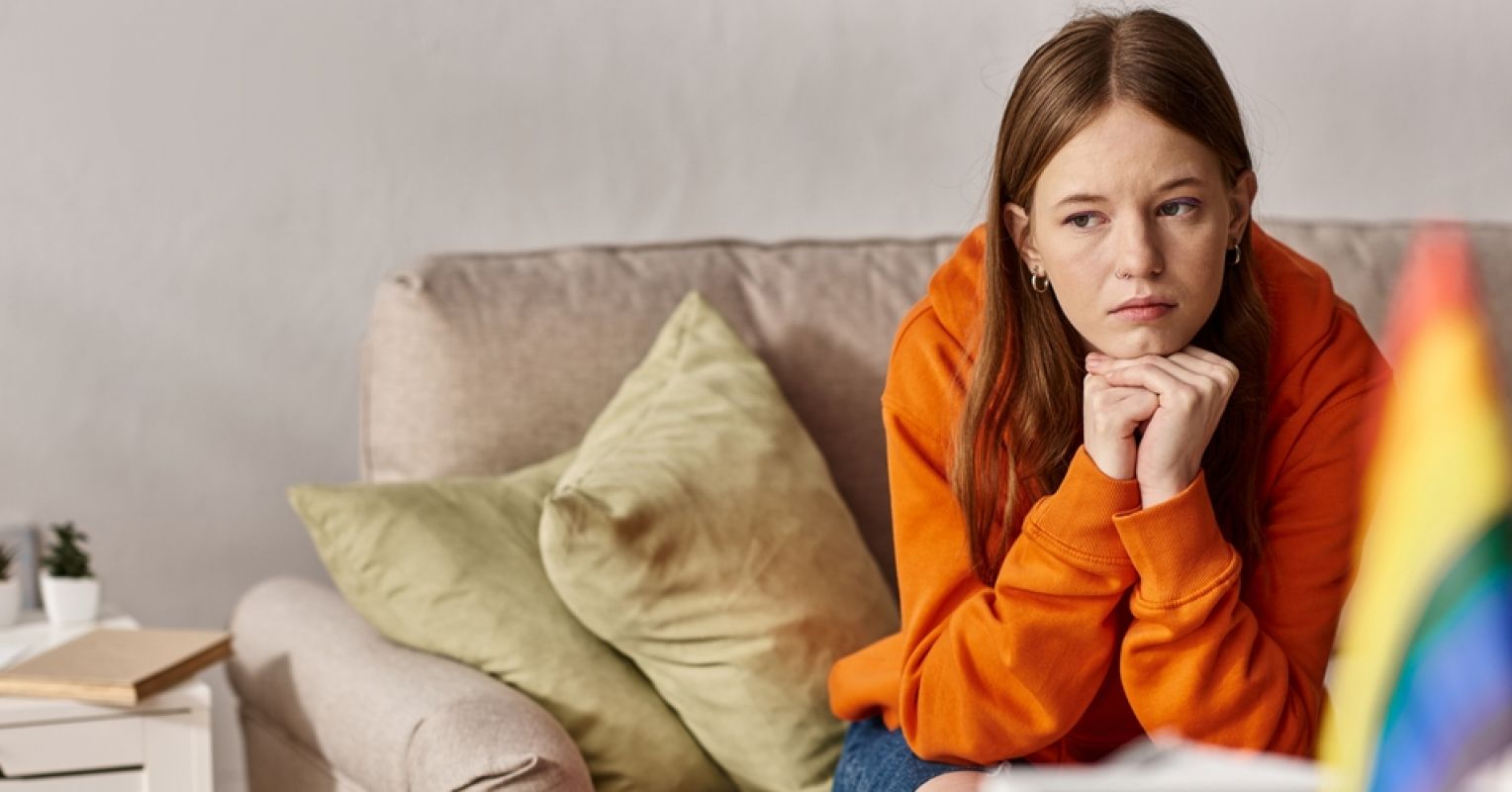
There is a composite portrait at the heart of a piece published in Psychology Today, drawn from years of clinical hours with bullied adolescents. No single person is depicted, but the question at the centre of it is real, asked essentially word for word, and the writer has never stopped thinking about it.
A 15-year-old trans girl, in tears, describes years of teasing and degradation. She was assigned male at birth. She knows herself to be a girl. The world around her has issued the same instruction on repeat: change. Become a real man. And she has never, not once, asked anyone else to change anything at all. Her request is, in her own words, startlingly small. She is not asking her tormentors to talk to her. She is asking them not to talk to her. Not to insult her on the way to class.
Then, voice breaking, the question: there are so many real men out there. Why can she not choose not to be one? Whom is she harming?
I have been turning that question over since I read it. Not because it is difficult. Because it is so obviously easy, and adults keep pretending otherwise.
The harm of being disbelieved
The Psychology Today piece reaches for the philosopher Miranda Fricker to name one part of what this girl experiences: testimonial injustice, being wronged specifically as a knower, having your account of your own inner life discounted before it is even considered. Whatever an adult believes about policy or medicine or social questions, something distinct and damaging happens when a young person is told daily that the person she experiences herself as is simply not real. She is not being teased about an opinion or a preference. She is being told that her account of herself does not count as evidence at all.
That is its own harm, separate from the isolation and the daily degradation. And she is navigating a double bind she did not build: perform the role demanded and buy social safety at the cost of her inner life, or decline and pay in loneliness and insult. Neither door is a good one. She did not construct the corridor.
What the research has been telling us for years
The piece cites a body of research I find compelling precisely because it all points in the same direction. The minority stress framework, developed to explain mental health disparities in sexual minority populations and extended to transgender and gender-diverse people, describes how stigma, rejection, and concealment accumulate as stressors. The protective findings mirror the harmful ones: family acceptance in adolescence is associated with better mental health in young adulthood. Transgender young people who could use their chosen names in more contexts reported fewer depressive symptoms and less suicidal ideation. And data from the Trevor Project found that LGBTQ youth with at least one accepting adult were significantly less likely to have attempted suicide in the past year.
These are associations, not guarantees, and the piece says so. But the direction is consistent, and the conclusion is not complicated. The environment is not merely the backdrop to a young person's distress. It is often one of its sources. And it is within the power of adults to change.
The question deserves a plain answer
What I appreciate most about this piece is its refusal to hedge at the end. The writer acknowledges that adults disagree, sometimes fiercely, about clinical and policy questions involving transgender youth. But her question is not about any of that. She is not asking anyone to resolve a debate. She is asking to walk to class without being degraded.
So the answer, plainly: in the situation she is describing, existing as herself and asking not to be insulted on her way to class, she is harming no one. Whatever an adult believes about anything else, no belief licenses the daily tormenting of a child. On that point there is genuinely nothing left to debate.
The question the piece leaves with us is the one I would leave with any adult who finds this hard to answer. What is the harm in leaving her in peace? What, exactly, would it cost?
I have never heard a good answer to that one either.
Adults are not confused. They are choosing.
Here is where I would push further than the Psychology Today piece goes. The framing of adults struggling to answer her question is generous, and I understand why a clinical writer reaches for it. But the struggle is not intellectual difficulty; it is social and political inconvenience for people who have staked a position. Pretending it is hard to answer is itself a form of the testimonial injustice being described: another way of declining to take a young person's account of herself seriously.
She is not asking for a debate. She is asking for basic dignity. The adults who cannot quite get there are not struggling with complexity. They are choosing, however gently or unconsciously, to prioritise their own discomfort over her safety. That choice has consequences that land entirely on her.
One accepting adult, the research keeps telling us, changes the odds meaningfully. One. That is an extraordinarily low bar, and still some adults cannot clear it. If this piece reaches any of those adults, I hope the question follows them the way it has followed me. Whom is she harming? The silence where an answer should be is itself the answer.
If there is a news story you would like me to cover then just let Sammy know.
Dr Helen Webberley is a Gender Specialist, Medical Educator, writer, and advocate, and the founder of GenderGP. She writes about gender diversity, trans healthcare, and the lives of trans people and their families.
Comments