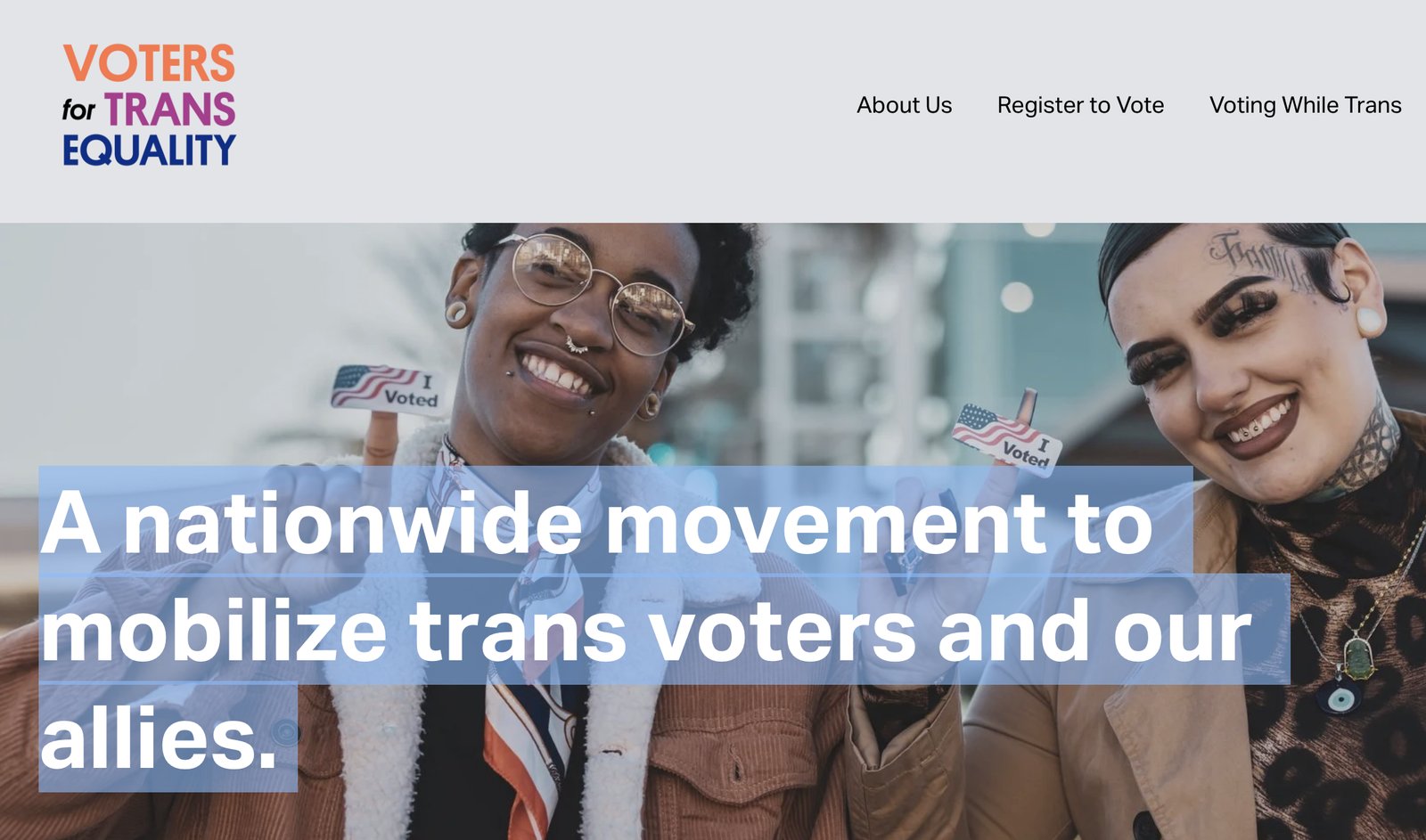
Trans people and their allies have a vote, and that vote is one of the most direct tools available to push back against the tide of legislation that is making trans lives harder. A nationwide movement is mobilising trans voters right now, and I want every person reading this to be part of it. Register, or check that your registration is current, because your voice matters and elections are won and lost on turnout.
Why does trans voter mobilisation matter right now?
We are living through a period where legislative decisions are being made about trans people's bodies, healthcare, and legal recognition, often by politicians who have never sat across from a trans person and listened to them. The Equality Act 2010 protects trans people in the UK under the protected characteristic of gender reassignment, and the Human Rights Act 1998 enshrines the right to private and family life, which courts have consistently read to include gender identity. Legal protections only hold when the people making and interpreting law are accountable to the communities they affect.
That accountability comes through the ballot box. Every trans person who votes, and every ally who votes with trans rights in mind, sends a signal that this community is organised, present, and paying attention.
What is TransVote and what are they asking people to do?
TransVote is a nationwide movement with one clear aim: mobilise trans voters and the people who stand with them. They are not asking people to vote for a particular party. They are asking people to show up, to be counted, and to make electoral decisions with trans rights on the table as a factor. The ask is simple: register to vote if you have not already, or check that your existing registration is current, accurate, and reflects your current name and address.
Voter registration is not a one-time thing. If you have moved, changed your name, or simply not checked in a while, your registration may no longer be valid. A vote you cannot cast because of an administrative gap is a vote lost, and that is too high a price.
What can allies do?
If you are not trans yourself but you care about trans rights, your vote is part of this too. Allyship is not only visible in the words you say or the flag in your window. It is present in the decisions you make in the polling booth. Politicians respond to what they believe their electorate cares about, and allies who vote with trans rights in mind expand the political cost of ignoring or attacking trans communities.
Talk to the people around you. Normalise the conversation. Ask the people you know whether they are registered. Share this piece. Electoral change is built person by person, conversation by conversation.
Why I am sharing this
I have spent years watching policy decisions cause direct harm to trans people and their families. I have seen young people denied timely healthcare, adults pushed through systems designed to exhaust rather than support them, and families left without guidance at moments when guidance would have changed everything. Some of that harm is cultural, and culture shifts slowly. Some of it is political, and politics can shift in a single election cycle when communities are organised.
Your vote is your power. Use it.
If this is useful to you, please share it. Every share helps more people find accurate information about gender diversity.
Dr Helen Webberley, Gender Specialist and Medical Educator.
helenwebberley.com
Comments