Times Radio: puberty blockers, with Andrew Neil
Andrew Neil put the Cass Review to me as though it were the final word, and everything else followed from that. If the Review is authoritative, WPATH is not. If WPATH is not authoritative, informed consent is impossible. If informed consent is impossible, puberty blockers should never have been given to anyone. The argument has a logical shape, and for a viewer who does not know what is inside the Review, or what WPATH actually is, or how informed consent works with young people, it sounds persuasive.
I had been on the programme before and I knew how the conversation would go. The claims came in fast and they were stated as settled fact, which is a different thing from being settled fact. The Cass Review is not the most comprehensive study ever done on this subject: that is an assertion, not a finding, and the Review has been seriously criticised by gender medicine specialists internationally. WPATH is made up of people who work in the field, which is exactly what you would want from a clinical body and not a reason to dismiss it. And informed consent in young people is a clinical and legal concept with a real meaning, not a rhetorical one.
The conversation was combative, and that is fine. What matters is whether the things being stated as fact are actually true. Each of the claims put to me that day is addressed below, with what the evidence actually says.
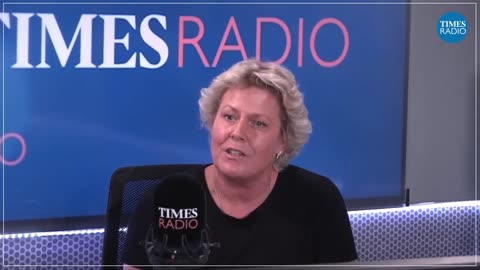
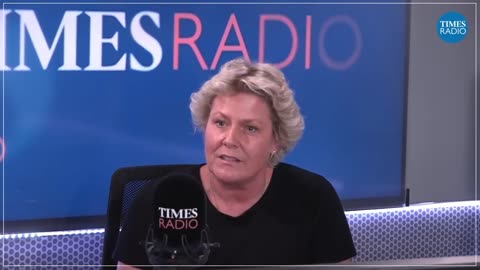
Moments worth watching
Each one is about half a minute, and has a page of its own.
The myths, answered
What was put to me in this conversation, and what is actually true.
The Cass Review is globally the most comprehensive study ever done
See the answerWPATH files showed they didn't know what they were doing
See the answerWPATH experts have skin in the game so lack authority
See the answerAn 11-year-old cannot give informed consent about future fertility
See the answerDeeper dives
Some of these claims deserve more than a paragraph, so each one has a film and a full piece behind it.
What this looks like in a life
The studio argument is one thing. These are people it actually happens to.