NYC turns down $1.3 million for homeless shelter due to dispute over transgender veterans
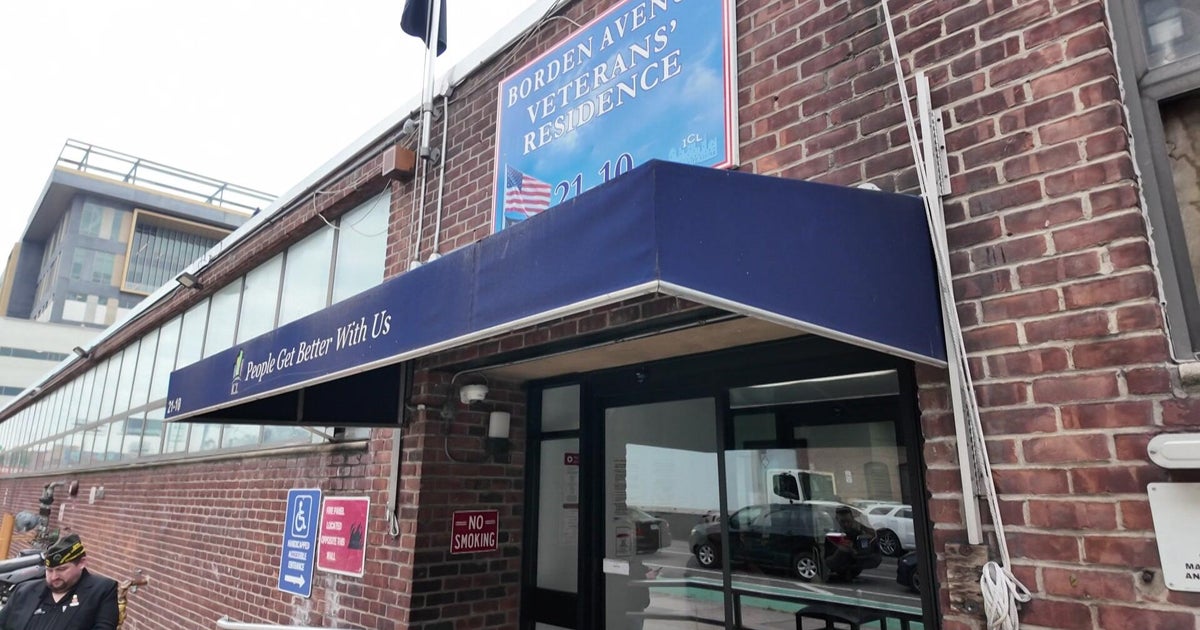
New York City rejected a $1.3 million federal grant for a homeless veterans shelter in Queens rather than comply with a White House condition that would have barred transgender veterans from accessing beds. The city says it will cover the shortfall itself. The people sleeping in that shelter did not choose this fight, and they are the ones paying for it.
By Dr Helen WebberleyResponding to cbsnews.com6 October 20265 min read

Photo by Hanyang Zhang on Unsplash
The Borden Avenue Veterans' Residence in Queens has been funded by the US Department of Veterans Affairs for years. This time, the city says the VA offered roughly a third of what it has provided in previous years, and attached a requirement to comply with an executive order on gender ideology. The Mamdani administration read that plainly: comply, and transgender veterans lose their beds. So it refused the money.
A federal agency told a city: we will give you money to house homeless veterans, but only if you agree to turn some of those veterans away first. New York said no. That is not a bureaucratic dispute, it is a values test, and the city passed it.
Who is actually in that building?
Former resident Robert Poles put it simply: "This shelter is absolutely essential." He is right, and he does not need a policy framework to explain why. People live there. They served, they came home, and for whatever combination of reasons that life deals out, they needed somewhere to go. Some of them are transgender. They are veterans first, last, and entirely, and no executive order changes that.
Jesse Figueroa, a veterans advocate who was there when people gathered outside the shelter, had the sharpest line of the day: "Stop arguing, stop playing blame games, stop fooling around." He is not interested in the political theatre. He is interested in the people inside that building having somewhere to sleep and a functioning service around them.
I find myself thinking about what it would mean to be a trans veteran in that shelter right now, watching officials argue on the pavement outside about whether you deserve to be there. You have already navigated more than most people will in a lifetime. You served. You came home. You needed help. And now your existence has become the reason the money might not arrive. That is an extraordinary thing to ask anyone to absorb.
What the VA said
A Veterans Affairs spokesperson said that all grant recipients must adhere to the terms and conditions of their awards, including executive orders, and that the reduced amount reflected past performance and demonstrated need. That is the kind of answer that sounds administrative and neutral, and is neither. "Demonstrated need" at a homeless veterans shelter is not a complicated calculation. People are there because they need to be there.
Council Member Julie Won put it directly to whoever was listening in Washington: "Don't punish everyday New Yorkers who are also veterans because of your disagreements. Figure that out, agency to agency." Council Member Phil Wong raised the practical alarm that most people will feel instinctively: if the federal funding is not in place, the shelter is going to struggle to provide what it needs to provide. The city's reassurance that it will cover costs is welcome, but it is not yet money in an account.
What is actually happening across the country
This is not an isolated story. The same executive order that produced this condition in Queens is producing conditions like it in city after city, state after state. Every time a local authority is told it must choose between federal money and the inclusion of trans people, it faces the same impossible arithmetic: take the money and harm the people, or refuse the money and find the gap yourself.
New York, to its credit, refused. Not every city will have the budget or the political will to do the same. And in the places that cannot refuse, trans people lose access to services they need, quietly, without a press conference, without advocates on the pavement, without anyone gathering to say that this shelter is absolutely essential.
The executive order does not name trans people with any warmth. It frames their existence as an ideology to be countered. But ideology is an abstract noun. Robert Poles is a person. Jesse Figueroa is a person. The trans veterans in that building are people, and what they need is not a philosophical position: it is a bed, a roof, a functioning service, and the knowledge that they are not being used as a lever in someone else's argument.
Where this leaves us
New York did the right thing. I am glad it did. But "the city will cover costs" needs to become real funding, quickly, and the council members who were turned away from touring the shelter this week are right to keep pressing. Scheduled visits next week are better than no visits, but the questions about living conditions and operational funding do not wait for a calendar slot.
What I keep coming back to is the simplicity of what was asked of the federal government here, and the simplicity of what it refused. House all your veterans. That is the ask. Not a complicated one. Not an ideological one. Just: house all of them.
 In response toNYC turns down $1.3 million for homeless shelter due to dispute over transgender veteranscbsnews.com
Talk it through with Sammy
Sammy has read this with you, and can help you work out what it means for you.
Show what you stand for
If this piece said something you already believed, say so out loud. Declare the year your dedication began.
Free to join, and it takes under a minute.
Comments