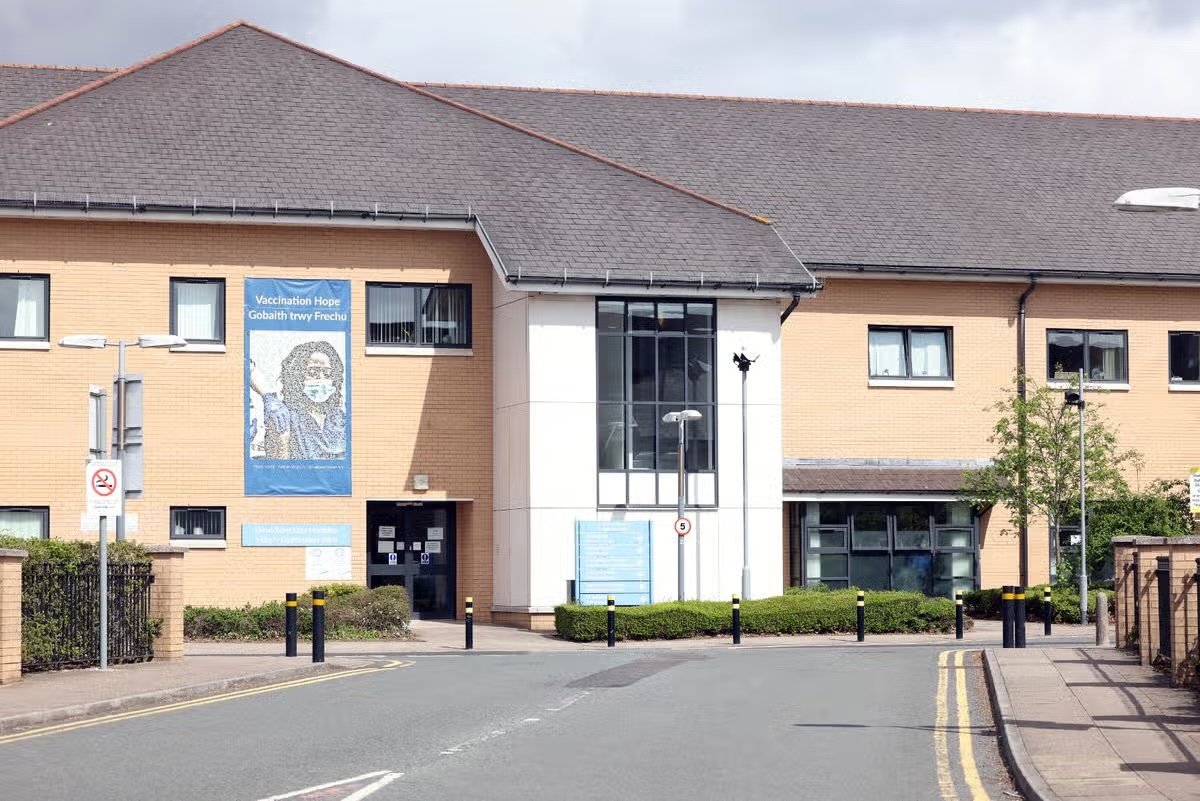
The Welsh Gender Service has paused all new and scheduled surgical referrals while an independent clinical review takes place. Cardiff and Vale University Health Board says referral rates were significantly higher than in English services. The people who pay the price are patients who have already waited years, some of whom had surgery cancelled while already admitted to hospital.
What actually happened
On 29 August, Cardiff and Vale University Health Board announced that the Welsh Gender Service had been directed to immediately pause referrals for gender-affirming surgery, including both new referrals and surgeries that were already scheduled. The NHS Wales Joint Commissioning Committee had identified concerns through what it describes as routine assurance processes, and has commissioned an independent clinical review. The specific concern is that referral data from 2025 to 2026 shows significantly higher rates of gender-affirming surgical referrals from the Welsh service than from English gender services, alongside questions about aspects of referral and assessment processes.
Hormone therapy support, psychological support, and speech and language therapy continue. Patients with scheduled appointments are being asked to attend for discussions about next steps. The surgeries themselves have stopped.
Among those affected are people who had their operations cancelled after they had already been admitted. They had done everything asked of them. They had waited, attended every appointment, completed every assessment, travelled to England where the surgeries take place, and checked in. Then they were sent home.
What "not properly assessed" actually means here
When a health board pauses a service because it is referring more patients than comparable services elsewhere, there are two possible explanations. The first is that assessment standards have slipped and people are being referred who should not be. The second is that the comparable services are under-referring, and have been for years, and that Wales was simply doing the job more thoroughly.
I have watched gender services in this country operate under impossible conditions since before the Welsh Gender Service even opened in 2019. The waiting lists are not months; they are years. The staffing is chronically thin. The political pressure bearing down on these services from every direction is relentless. Clinicians working in this field are doing so knowing that any decision they make is liable to be scrutinised not just clinically but politically, and that scrutiny will rarely be kind.
In that context, a referral rate higher than England's deserves a straightforward question before it gets treated as evidence of failure: is England's rate right? England's gender services have been described in multiple reviews as overwhelmed, fragmented, and unable to meet demand. If the benchmark for "correct" is a system that has itself been found wanting, the comparison tells us very little.
What concerns me is that the phrase "not properly assessed" will attach itself to these patients even though no one has yet demonstrated that their assessments were inadequate. The review has not concluded. The independent clinical work has barely begun. Yet the surgeries have already been cancelled, the referrals have already been paused, and the patients are already home, waiting again.
The system that failed, and who is carrying the cost
If there are genuine governance problems in the referral pathway, those need to be looked at. I would not argue otherwise. Proper clinical oversight matters, and I would not want a single person to receive care that was not right for them. But governance failures are failures of process and institution, not of patients. The person who had surgery cancelled mid-admission did not design the referral pathway. They did not write the assessment criteria. They did not decide how many clinicians the service would employ or what oversight structures would be in place. They simply came, as requested, and waited, as asked, and then went home without the care they had been promised.
That is the part of this story I keep returning to. The language of the announcement is careful and institutional: concerns, assurance processes, independent review, governance arrangements. Behind each of those phrases is a person who has been waiting, often for the better part of a decade when you count the years before reaching the Welsh service itself. Puberty did not pause for the younger patients in that queue. Life did not pause for anyone in it.
There is also a harder question underneath all of this. If Welsh referral rates are higher than English rates, one possible reason is that Wales has a relatively small population and a relatively accessible specialist service, meaning patients who would have been lost or deprioritised in a larger, more stretched system were actually seen and referred appropriately. Another possible reason is that clinicians in Cardiff, working in a service with a smaller caseload than their English counterparts, had more time to carry out thorough assessments and were therefore more confident in their referral decisions. Neither of those would be a failure, and both of them would look like a higher referral rate in the data.
What patients need to know now
The health board has said that patients with scheduled appointments should continue to attend. That is the clearest practical guidance available. Hormone therapy and psychological support are continuing, and patients are being offered discussions about next steps. If you or someone you care about is affected, attending those appointments is the right move, and asking direct questions about timelines and the review process is entirely reasonable.
The independent review will take time. How much time is not yet known. What the review will find is not yet known. Whether the pause will be lifted in weeks or stretched into months is not yet known. That uncertainty is genuinely hard to live with, particularly for people who were, until last week, weeks away from surgery.
I hope the review is fast, thorough, and honest about what it finds. I hope it does not become another mechanism by which the bar for trans people receiving care is raised while the question of whether the system itself is fit for purpose goes unasked. And I hope the people who had operations cancelled while already in hospital are at the front of any restored referral list, because they have already paid an extraordinary price for a failure that was never theirs.
If there is a news story you would like me to cover then just let Sammy know.
Dr Helen Webberley is a Gender Specialist, Medical Educator, and advocate, and the founder of GenderGP. She writes about gender diversity, trans healthcare, and the lives at the centre of both.

Comments