
The Trump administration launched a federal probe into Minnesota over reports that "transgender dolls" were being used in classrooms with children as young as four. The Minnesota Department of Education says it has no involvement with any such programme. The University of Minnesota says the dolls received no state or federal funding and that the company behind them is a private LLC with no university affiliation. The researchers themselves say the dolls were designed as a therapeutic tool for use by licensed professionals, not for classroom distribution. And yet the investigation is open, the threat of losing federal education funding is real, and the story is circulating.
So let's look at what actually happened here, and what didn't.
What are MyGender Dolls, and who made them?
MyGender Dolls are paper characters with removable, interchangeable genitalia, clothing, and accessories. They emerged from research work connected to the University of Minnesota and were designed, according to the people who made them, as a therapeutic resource for licensed professionals working with children around gender identity. When the backlash arrived, the researchers confirmed that the dolls would not be distributed in public school classrooms this autumn. That confirmation matters, because it means the programme the federal government is investigating for classroom use was never a classroom programme.
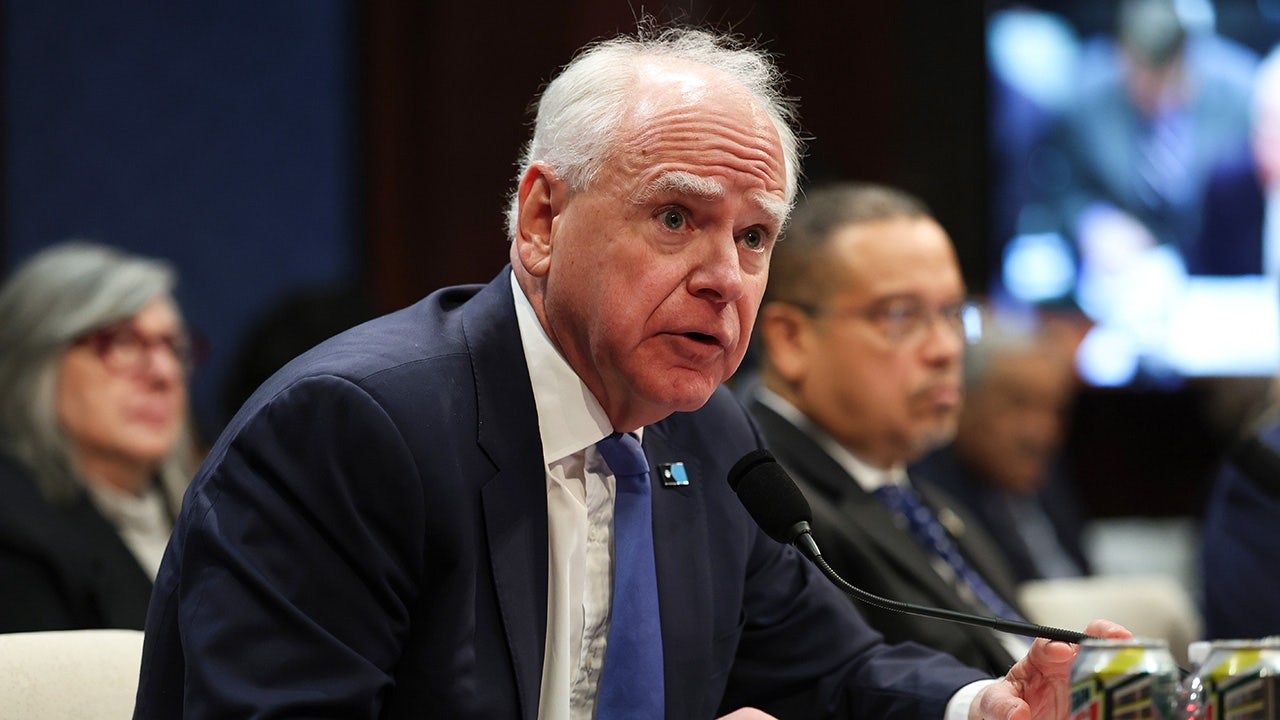
Linda McMahon, the US Secretary of Education, described the dolls as "sexually explicit" and said that "no four-year-old should be exposed to such material." Governor Walz's office called the story "manufactured by right-wing media." The university said the team participated in privately funded review competitions and received no state or federal dollars. Everyone in the story is pointing in the same direction: this did not happen the way it was described.
The investigation is the point
Here is what I keep coming back to. The federal government's Student Privacy Policy Office opened this probe after a complaint from an advocacy group called Defending Education. The complaint alleged that parents had not been notified or given the chance to opt their children out of activities involving these dolls. That would be a meaningful concern, if the activities were happening. They were not. The state says they were not. The university says they were not. The researchers say they were not.
And still: federal investigation, threat of referral to the Department of Justice, risk of terminating the Minnesota Department of Education's federal funding.
You don't need a verdict to send a message. The message is already sent the moment the investigation is announced. Every teacher thinking about supporting a gender-questioning child, every university researcher working on anything touching gender diversity, every school administrator wondering whether their district might be next: they have all just heard something very clearly. Stay away from this. The cost of being wrong is federal funding. The cost of being right is still a federal investigation.
That is how a chilling effect works. It doesn't require a finding of wrongdoing. It requires only that the fear of one becomes real enough to change behaviour.
The framing deserves scrutiny
The Department of Education spokesperson described the dolls as tools that "undermine parental authority over sensitive subjects." Secretary McMahon invoked children's innocence. The Fox News framing throughout connects the story to Governor Walz and to what it calls "radical left" ideology funnelling taxpayer dollars into "perverted ideologies."
Every one of those claims rests on the premise that the programme existed in the way described. It didn't. Governor Walz's office had no connection to the programme. No taxpayer dollars funded it. No classroom was using it. The framing is not a response to something that happened. It is the purpose of the story.
I am not saying therapeutic resources for children around gender identity should be above scrutiny. Transparency, professional standards, age-appropriate use, parental communication: all of that matters, and good practice in this area takes it seriously. What I am saying is that you cannot investigate a school programme that does not exist in schools, and you cannot justify a federal enforcement action on the basis of claims that every named party disputes, and then present that as protecting children.
The broader pattern
This probe sits alongside several others. The Department of Education and the Department of Justice have both been active in pursuing schools over gender-identity policies, with Anne Arundel County in Maryland and Ann Arbor in Michigan also facing threats over how they handle children's gender transitions. The consistent thread is parental rights: the argument that parents must be informed and must be able to opt out.
Parental involvement in a child's wellbeing is genuinely important. But parental rights arguments have been used in recent years to justify a much broader project: making schools inhospitable to any discussion of gender diversity, regardless of whether the children in those schools need that support. A child who is questioning their gender does not stop existing because the discussion is removed. What changes is whether the school is a safe place for them.
The researchers behind MyGender Dolls described them as a resource for children navigating something real about themselves. Whether those particular dolls are the right tool, used in the right context, by the right professionals, with the right parental communication, is a conversation worth having. What is not a conversation is a federal investigation built on a story that the people at its centre all say is wrong.
The story did not need to be true to do its work. It only needed to travel far enough and loud enough that the investigation felt justified. And now the investigation exists, whatever the facts turn out to be.
If there is a news story you would like me to cover then just let Sammy know.
Dr Helen Webberley is a gender specialist, medical educator, and founder of GenderGP. She writes about gender diversity, trans healthcare, and the lives of trans people and their families.
Comments