
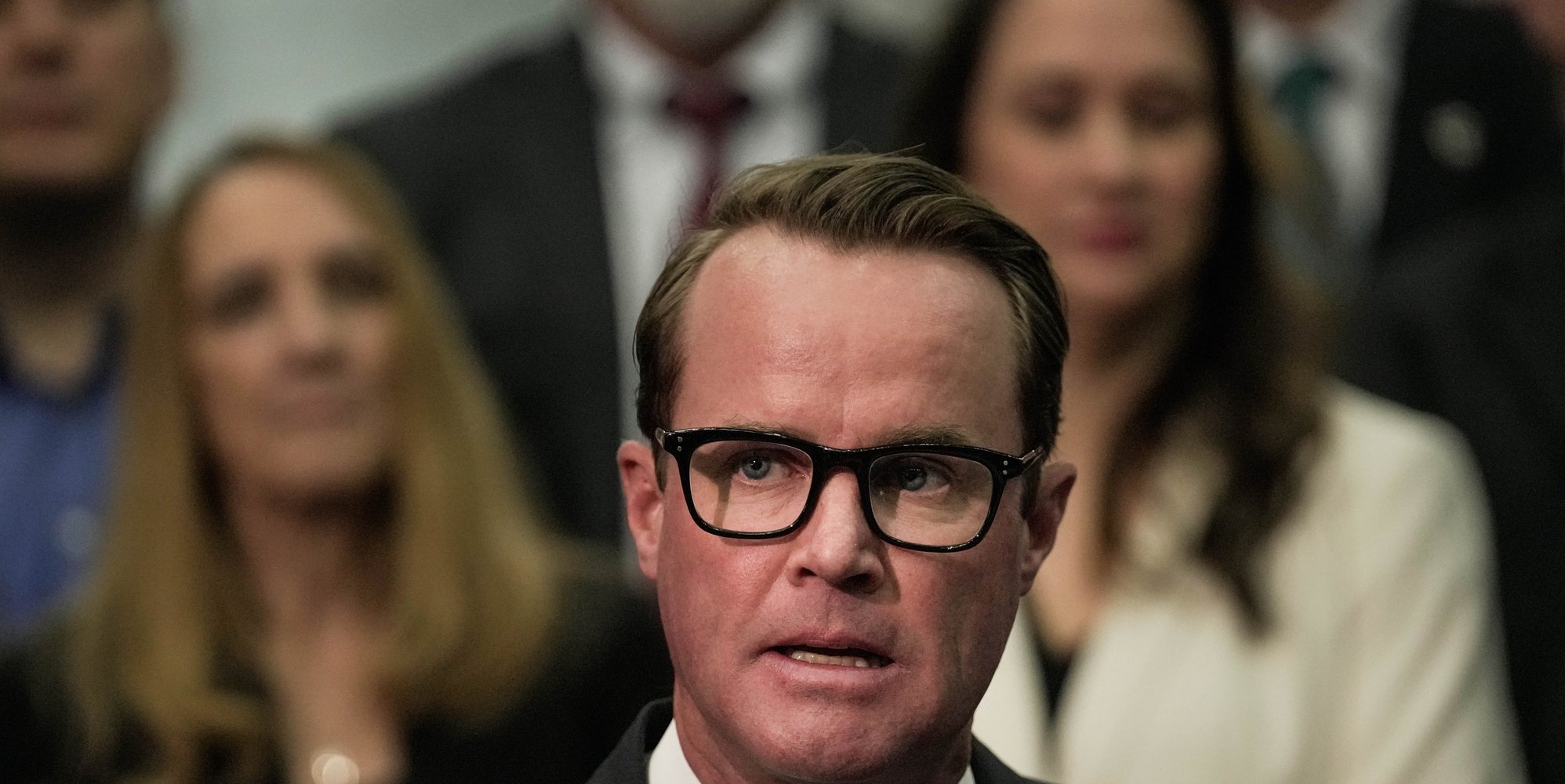
Dade Phelan, the former speaker of the Texas House of Representatives, says Republican anti-trans ads are not resonating with swing voters. He is right that the strategy is failing. But the people who paid the real price for it were not undecided voters. They were trans young people whose healthcare was stripped away while the ads were running.
What Phelan actually said
Speaking to Texas Monthly, Phelan was candid in a way that senior Republicans rarely allow themselves to be. "We're still running transgender ads," he said. "It's just not resonating." He went further: "The 8 to 10% of voters in the middle who are going to decide this election, when they hear stuff about boys in girls' sports, they don't even know what you're talking about."
He is describing a political miscalculation. The issue, he says, "never happened in their communities," and swing voters have been hearing about it for so long, from so many directions, that it has lost whatever power it once had. That is a pretty withering verdict on years of campaign strategy, delivered by someone who was central to the legislative effort that strategy was built to sell.
Phelan is not seeking re-election, which perhaps makes honesty easier. His comments land at the same moment that five senior Republican lawmakers told Politico they believed the party was likely to lose control of the US House of Representatives. The anxiety is real, and it is shaping how some in the party are beginning to talk about what went wrong.
The ads were not the problem
Here is what I notice, though. Phelan is critiquing the advertising. He is not critiquing the legislation. He is telling his party that the trans issue is not connecting with the voters they need, not that restricting trans healthcare or trans participation in sport caused harm to real people. That is a very specific kind of reckoning, and it stops well short of the one that actually matters.
Texas Republicans, including Phelan during his speakership, pushed through bills limiting trans young people's access to gender-affirming healthcare, restricting trans athletes' participation in school sport, and narrowing the recognition of trans people in public life. Those laws are still in force. The young people affected by them are still living with the consequences. No amount of electoral anxiety changes that.
So when a senior figure in that project says the ads aren't landing, I find myself thinking about the families I have heard from over the years who were living inside the reality those ads described. Parents who watched their children's medical care evaporate. Young people who lost the ability to play sport with their peers. People who were told, through law and through politics, that their existence was a threat to others. The ads were never the real injury. The policy was.
Why the admission still matters
And yet. A crack is a crack. Politicians are sensitive instruments when it comes to what works and what doesn't, and when senior figures start saying publicly that a strategy has run out of road, that is worth noting. It does not redeem the laws already passed. It does not restore the healthcare that was taken away. But it is a signal that the political calculus is shifting, and political calculus is one of the things that gets laws repealed.
Phelan's framing is entirely self-interested: this is about winning elections, not about trans people's wellbeing. That is fine. Politicians working from self-interest is hardly news. What matters is that the conclusion he has reached, however he reached it, is that the relentless targeting of trans people is no longer a reliable vote-winner in Texas. If that is true, then the conditions that made this legislation possible are changing, and that has consequences for what comes next.
The people this was always about
The trans people at the centre of all this, the young athletes, the teenagers waiting for puberty blockers, the families navigating a healthcare system that was actively trying to close down their options, were never abstractions in a culture war. They were people trying to live their lives. They still are.
When Phelan says swing voters "don't even know what you're talking about," he is inadvertently making a point that trans advocates have been making for years: the scale of this supposed crisis was always vastly exaggerated. The number of trans athletes competing in school sport is tiny. The number of families seeking gender-affirming healthcare is small. The political energy directed at them was wildly disproportionate, and it caused disproportionate harm.
None of that gets easier because a Republican strategist has noticed the returns are diminishing. But it is something, and I will take something over nothing.
If there is a news story you would like me to cover then just let Sammy know.
Dr Helen Webberley is a Gender Specialist, Medical Educator, and founder of GenderGP. She writes about gender diversity, trans healthcare, and the lives of trans people and their families.
Comments