
Trans constituents in King George County, Virginia, confronted Democratic Congressman Eugene Vindman over his vote for Republican-backed legislation affecting trans students, and the meeting ended with Vindman walking out after the exchange turned heated. When a Democrat votes against trans students and then walks away from the constituents who challenge him on it, that is not a failure of tone, it is a failure of representation.
What actually happened
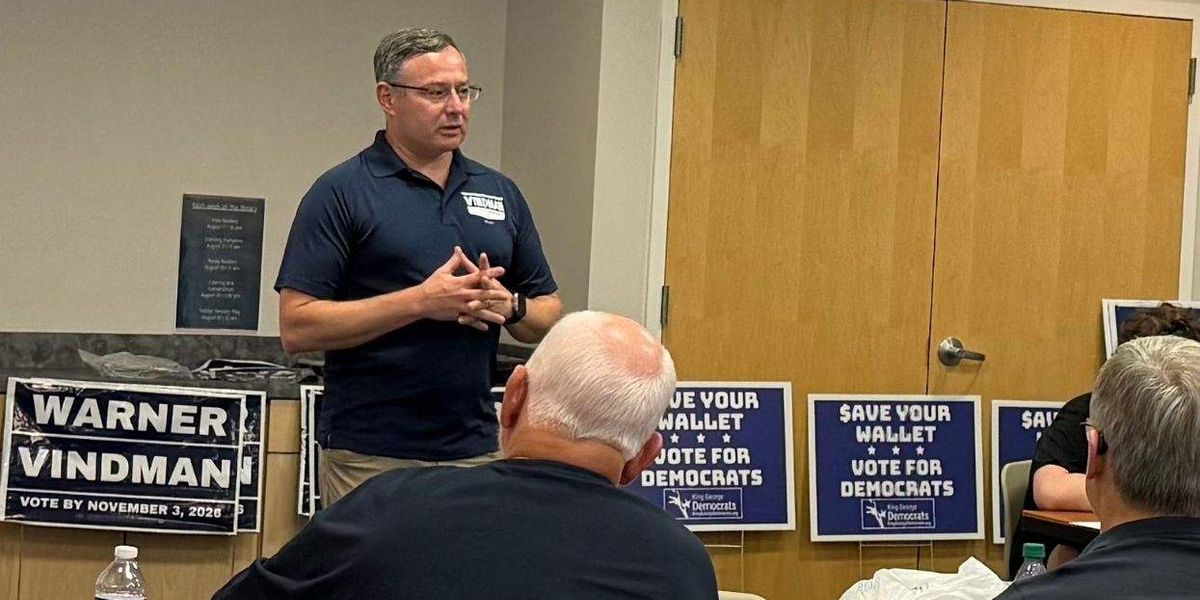
On Tuesday, 11 August 2026, Vindman met with the King George County Democrats. At some point in that meeting, constituents confronted him directly over his vote in favour of Republican-backed legislation targeting trans students. The exchange erupted, profanity was involved, and Vindman walked out.
The walkout is doing a lot of work in how this story is being told. The framing of "profanity" tends to centre the congressman's discomfort rather than the constituents' anger, and those are very different things. When trans people and their allies are furious, they usually have good reason. The question worth asking is not whether the language was polished, but what prompted it.
What it costs to vote against your own trans constituents
Eugene Vindman is a Democrat. He ran as someone different from the Republicans across the aisle. And then he voted for legislation, backed by those same Republicans, that targets trans students. Trans children. Young people who are already navigating school under a political climate that has spent years making their existence the subject of legislation and debate.
When you do that, and then you sit down with your constituents, some of whom are trans or are parents of trans children, you do not get to expect a calm, grateful exchange. You get the meeting you have earned. Anger at a representative who has let you down is not incivility, it is democracy.
What trans people need from elected allies in positions like this is not a meeting that ends in a walkout. They need legislators who do not require their trans constituents to perform patience and gratitude simply for being given a room to speak in. The minimum is showing up and staying. The minimum is listening to the people who elected you tell you why your vote hurt them, and not leaving before they have finished.
The particular sting of Democratic betrayal
There is something I hear often from trans people in the United States right now, and it is this: at least with the Republicans, you know where you stand. The cruelty is overt. With Democrats who vote like this and then claim the mantle of allyship, the ground is less stable. You are asked to believe you are supported while watching your representative vote for the legislation that targets your child at school.
That is an exhausting place to be. And when trans people finally get a direct meeting with that representative and say exactly what that vote meant to them, the last thing they need is for him to walk out the door.
I am not interested in policing the tone of people who are fighting for their own survival and the survival of their children. I am interested in why a Democratic congressman thought that voting with Republicans on trans student legislation was a position he could defend, and why, when asked to defend it, he left.
What allyship actually looks like
Real allyship in elected office is not complicated in its shape, even when it is hard in practice. It means voting to protect the people you serve, including your trans constituents and the trans students in your district. It means being present when those constituents are angry. It means remaining in the discomfort of having made a choice that hurt people and hearing them say so.
It does not mean walking out when the room gets difficult. It does not mean allowing the story to be reframed as a breakdown in civility rather than a breakdown in representation.
Trans students across Virginia, and across the United States, are watching what their elected representatives do. They are watching who shows up for them and who votes against them. They are watching who stays in the room and who walks out. They will remember.
If there is a news story you would like me to cover then just let Sammy know.
Dr Helen Webberley is a gender specialist, medical educator, and advocate, and the founder of GenderGP. She writes about gender diversity, trans healthcare, and the lives at the centre of both.
Comments