American Humanists: The Moral Case for Trans Rights Continues
The Supreme Court's ruling in West Virginia v. B.P.J. denies a trans child the right to play sports with peers, and the American Humanist Association calls it exactly what it is: cruel and unfair. The moral case for trans rights does not rest on any single court's decision. It rests on the plain principle that every person deserves to live as themselves without being harmed.
By Dr Helen WebberleyResponding to American Humanist Association9 September 20264 min read

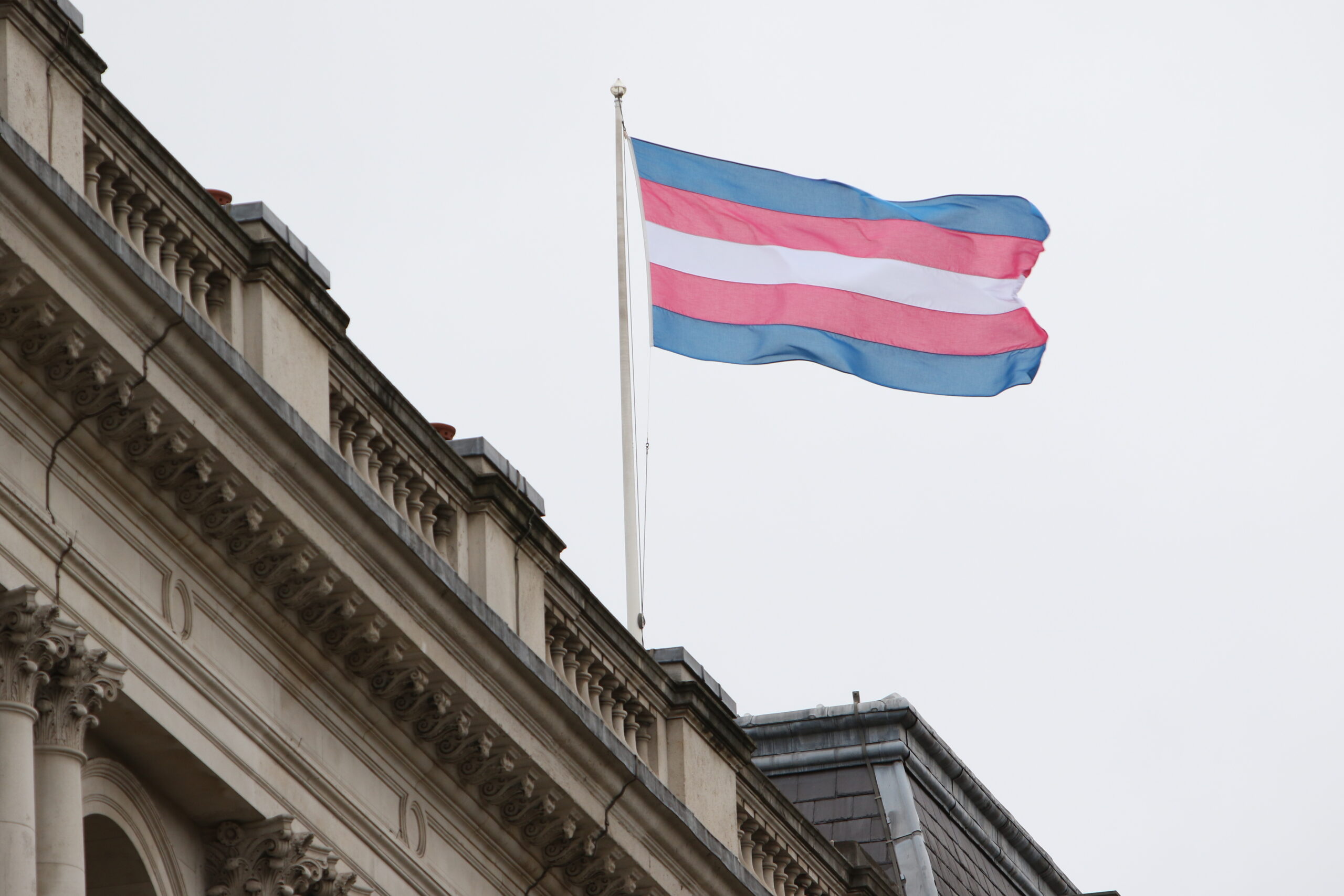
Photo by Norbu GYACHUNG on Unsplash
The Supreme Court has ruled against B.P.J., a trans girl from West Virginia who wanted to do something straightforward: play sport with her classmates. The American Humanist Association has responded with a statement that I think is worth reading carefully, because it names the situation honestly and without flinching.
Court Beyer, the AHA's Communications Director, said this: "To deny a child the ability to play sports with their peers is to deny them joy, opportunities to build lifelong skills, and of course, the sense of belonging that so many young people crave. It's as cruel as it is unfair."
I agree. And before we move to the wider picture, B.P.J. is a child, not a policy question. She wanted to run, to compete, to be part of a team, to have the experience that her friends and classmates are having. The court has said no. Whatever legal reasoning sits behind that decision, the human reality is simple and it is harsh.
What the end goal actually is
The AHA statement does not soften what is happening. "The end goal of these efforts has always been clear," Beyer writes, "to make it impossible for trans people to exist as themselves in public life." That is a strong claim, and I think it is the correct one. When you map the pattern of legislation across the United States over the past several years, sports bans, bathroom bans, restrictions on gender-affirming healthcare, attempts to remove trans identities from official records, restrictions on what teachers can say, what books can be read, what flags can be flown, the cumulative picture is not about protecting anyone. It is about making trans life unliveable in public.
That is worth naming plainly, because the stated justifications shift constantly. When one argument fails scrutiny, another takes its place. Fairness in sport. Safeguarding children. Parental rights. The arguments change; the target does not. Trans people are the target, and trans children especially so, because the people behind these campaigns understand that attacking children generates political energy and that children cannot easily fight back.
A ruling does not resolve a moral question
Here is the thing about courts: they can tell us what is currently legal in a given jurisdiction. They cannot tell us what is right. The moral case for trans rights does not rest on a Supreme Court decision, and it does not fall when one goes the wrong way. It rests on something much older and much more durable than any court: the principle that every person deserves to live as themselves without being harmed by others for doing so.
The AHA frames this in terms of human dignity, autonomy, and the right to self-determination. These are Humanist values, but they are not exclusively Humanist ones. They are the values that underpin almost every framework of human rights that has ever been written. The argument for trans rights is not complicated or novel. It is the same argument we have always made for any person's right to exist without persecution.
What makes this moment feel difficult is not that the argument is losing. It is that a great deal of money and political organisation has been poured into obscuring something that is actually quite simple. Trans people exist. They have always existed. They are our children, our neighbours, our friends, our colleagues. They are not a threat to anyone. Treating them as one causes real harm, to real people, starting with a girl in West Virginia who just wanted to play sport.
What continues
The AHA has pledged to keep showing up: in halls of power, in communities, in the culture. That matters. Moral clarity expressed consistently over time is how these things shift. It does not feel like enough on a day when the news is bad, and I understand the devastation in Beyer's words. But the statement is right that this ruling does not end the moral or legal case for trans dignity. It is one decision, from one court, at one moment in time.
I have spent years hearing from trans people about what it costs to live in a world that questions whether you belong. The cost is real and it accumulates. Every barrier removed matters: not just as a legal or policy victory, but as a signal to a trans person that the world knows they are here and thinks they deserve to be. Every barrier added sends the opposite signal.
B.P.J. deserves to play sport. That sentence should not require a legal battle. The fact that it does tells us exactly where we are and exactly what remains to be done.
If there is a news story you would like me to cover then just let Sammy know.
Dr Helen Webberley is a gender expert, medical educator, and founder of GenderGP. She writes about gender diversity, trans healthcare, and the lives at the centre of both.
 In response toAmerican Humanists: The Moral Case for Trans Rights ContinuesAmerican Humanist Association
Talk it through with Sammy
Sammy has read this with you, and can help you work out what it means for you.
Show what you stand for
If this piece said something you already believed, say so out loud. Declare the year your dedication began.
Free to join, and it takes under a minute.
Comments