
The Waiting Well pilot offers peer support and practical workshops to trans and non-binary people facing five-year NHS waits in South West England. With 42,000 people on waiting lists and 71% reporting worsening health while they wait, the programme is a real kindness, but making the wait more bearable is not the same as ending it.
This pilot is a good thing. Lennon Coope, who is involved in the project across the region, puts it well. The aim is to make the wait "safer, more supportive and more human," and to ensure that people are "not waiting alone." Those words matter. Isolation compounds everything. When someone feels that their outward appearance does not match who they really are, they often withdraw from services altogether, from community, from the connections that keep people well. Waiting Well is trying to interrupt that withdrawal, and the early signs are that it is working. People are reporting that their wellbeing has improved, and that they feel more connected to others, even in the short time the pilot has been running.
That is genuinely good news. I am glad this exists.
But here is what I cannot leave unsaid
Seventy-one percent of people on these waiting lists report that their health has deteriorated while they wait. That is not a statistic about inconvenience. That is a finding about harm, serious and sustained, caused not by the underlying condition but by the wait itself. Depression, anxiety, isolation, withdrawal: Lennon names them all, and anyone who has spent time listening to trans people and their families knows how quickly those things escalate when the wait feels endless and the future feels locked.
The Department of Health and Social Care has funded this pilot. The ambition is to gather evidence, demonstrate the scale of need, and build a model for national rollout. I understand the logic. You need evidence before you can justify investment. You need a pilot before you can scale. That is how health systems work, and I am not being naive about it.
But I am asking the harder question: at what point does compassionate management of a broken system become an argument for leaving the system broken?
If Waiting Well succeeds, if it demonstrates clearly that thousands of trans and non-binary people are suffering on waiting lists and that peer support helps them endure the wait, what happens next? The honest answer is that nobody knows. The pilot might generate a national rollout of more waiting support. What it will not generate, on its own, is a shorter wait. And the wait is the problem.
Puberty does not pause for a pilot programme
The pilot is currently available to people aged 18 and over. That boundary matters, and not only administratively. It reflects the reality that younger trans people are in a different position, because time moves differently when you are going through puberty. Every month on a waiting list, for a young trans person experiencing a puberty that is wrong for them, is a month of permanent physical changes. Not temporary discomfort. Not something that can be addressed later. Permanent changes, happening now, while the list moves slowly and the pilot gathers evidence.
I think about people like Devon, who was denied access to puberty blockers and had to watch their body change in ways they had not chosen, while systems debated and delayed. Devon's story is not unusual. It is, in some form, the story of thousands of young people in this country right now. Waiting Well cannot reach them. And even if the age limit were removed, peer support cannot stop an unwanted puberty. Only medicine can do that, and access to that medicine has been made dramatically harder in recent years.
The ban on private prescriptions for puberty blockers in the UK, and the near-impossibility of obtaining an NHS prescription given the collapse of specialist services, means that young trans people are being asked to wait in a system that has removed the tools that could make waiting less harmful. That is not a problem that peer support solves.
The people behind this work deserve credit
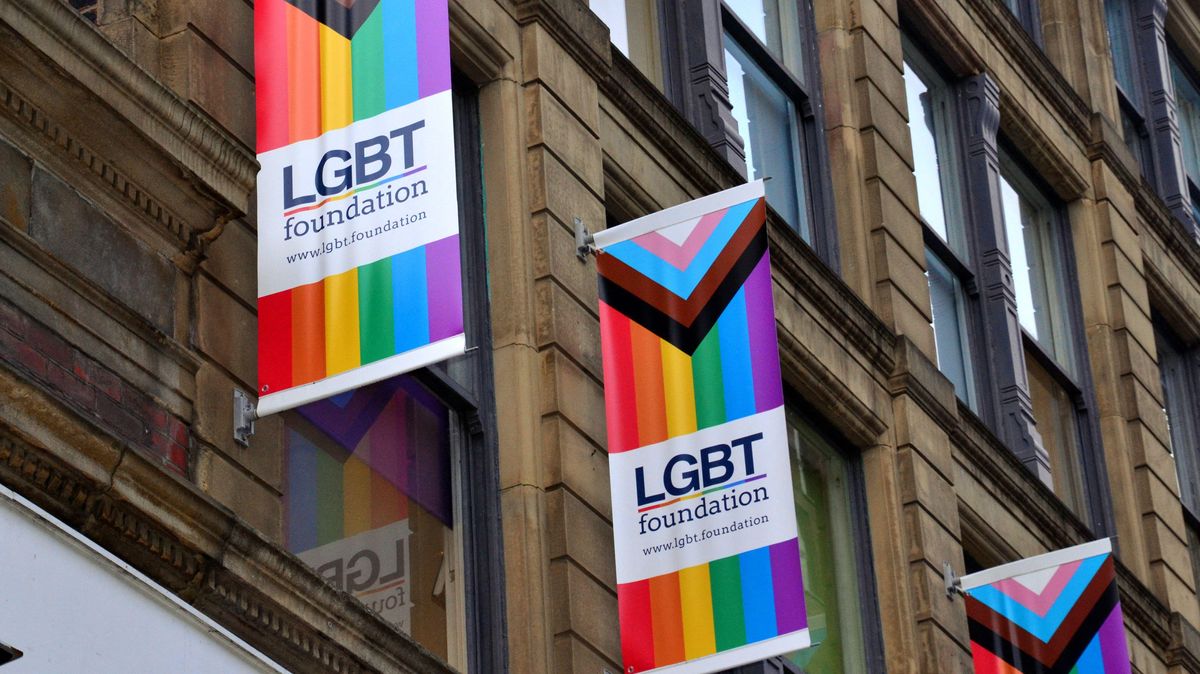
I want to be careful not to let that argument land as criticism of the people who built Waiting Well. Alex Matheson from LGBT Foundation is right that "waiting for care should never undermine dignity or wellbeing," and right that too many conversations about trans lives happen without trans people themselves. Matty Herring from Gendered Intelligence is right that people in the South West face some of the longest waits in England, and that isolation within that context is severe. The service is shaped by lived experience, delivered by trans and non-binary people, and designed with genuine care. That is how good support services are built, and it shows.
The gender-affirming voice workshops particularly stand out to me. That kind of practical, affirming, community-based support can make a real difference to someone's daily life and sense of self while they wait. It is not nothing. It is quite a lot, actually.
The question the pilot cannot answer
What I want to see, alongside the rollout of Waiting Well, is an honest public conversation about what 42,000 people on a five-year waiting list represents. It represents a system that has not been resourced to meet the need that exists. It represents a political environment in which gender identity care has been made a battleground rather than a healthcare priority. It represents real people, with names and families and lives, spending years in a holding pattern that is measurably harming their health.
Waiting Well is a kind response to that reality. It is not a solution to it. The solution is shorter waiting lists, adequate specialist services, and access to care when people need it, not years after they ask for it. I hope the people who funded this pilot are asking themselves that question, and not using the existence of the support service as a reason not to.
If there is a news story you would like me to cover then just let Sammy know.
Dr Helen Webberley is a Gender Specialist, Medical Educator, and advocate, and the founder of GenderGP. She writes about gender diversity, trans healthcare, and the lives of trans people and their families.
Comments