These trans and nonbinary candidates just made history
Six trans and nonbinary candidates have won seats in state legislatures where no trans person has ever served before, in Georgia, Michigan, Alabama, Washington, Wisconsin, and Florida. They ran on wages, healthcare costs, and housing. They won on those things. That is what representation actually looks like.
By Dr Helen WebberleyResponding to The 19th News16 November 20266 min read

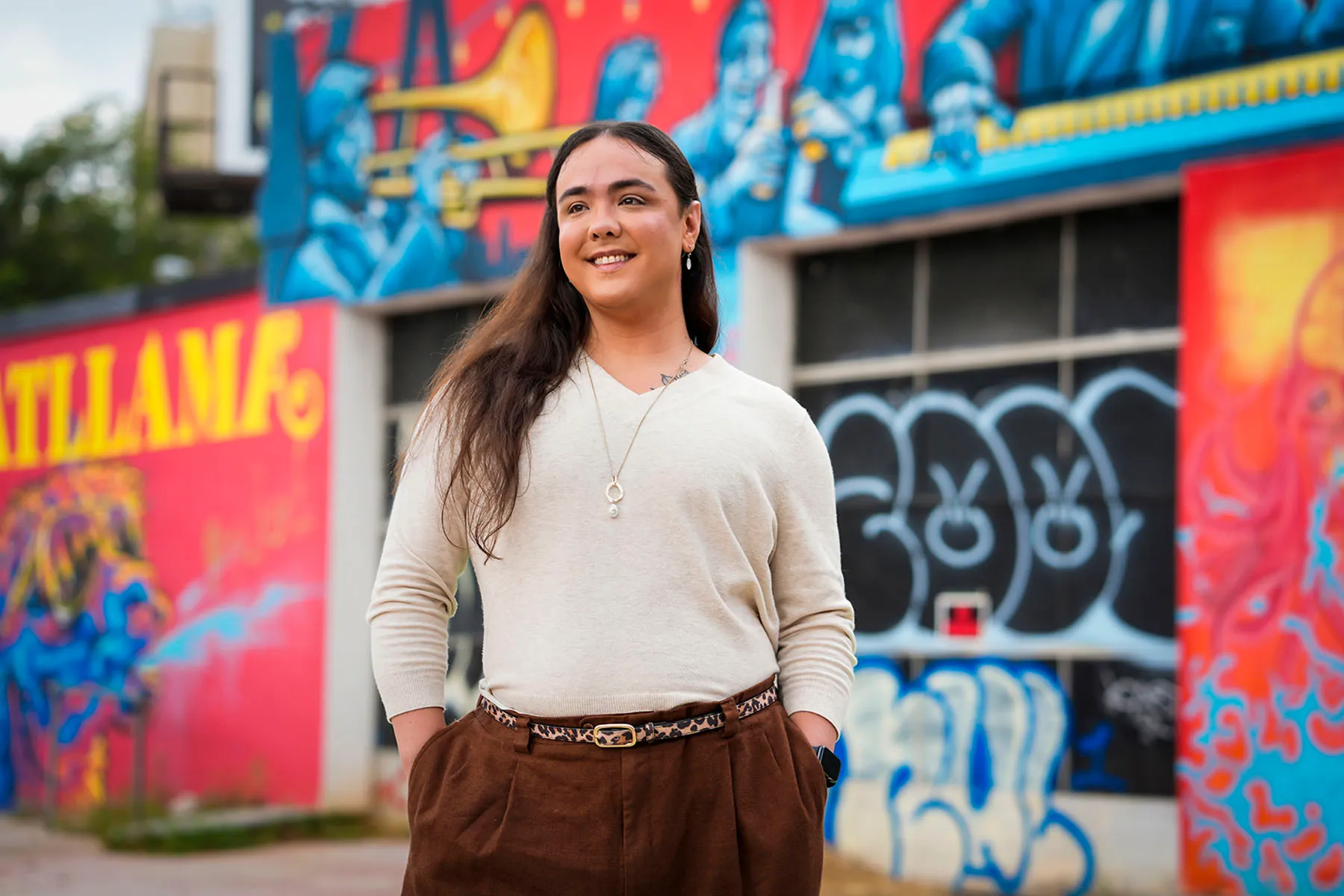
Photo by Keith Luke on Unsplash
Six transgender and nonbinary candidates have won seats in state legislatures where no trans person has ever served before, across Georgia, Michigan, Alabama, Washington, Wisconsin, and Florida. They ran on wages, healthcare costs, and housing. They won on those things. That is what representation actually looks like.
People in the room where decisions get made
I want to start with Allison Montgomery, because she said something that deserves to be heard. After winning her race for Alabama's state House District 25, defeating an incumbent Republican in a state that has thrown some of the harshest legislation at trans people in recent years, she said this: "I'm going to work especially hard for those who hate me, because they deserve a better Alabama as much as anyone."
Read that again. That is not political performance, but somebody who has thought hard about what public service actually means, and decided to mean it.
Montgomery is a software engineer and lifelong Alabamian. She ran on broadening healthcare access, strengthening workers' rights, and eliminating the grocery tax. She did not run away from who she is. She ran as who she is, on the things her neighbours needed, and she won.
What these wins have in common
What strikes me most, reading through each of these stories, is how consistently these candidates kept the focus on the people they were running to represent. Joanna Whaley, who will be Michigan's first trans state legislator, ran on fair wages, job training, and medical debt. She won her race for House District 2 with 63 percent of the vote, and she heard from Republicans who told her she was the first Democrat they had ever voted for. "Our community has been so wonderful," she said. "They are just the most kind, good-hearted people who didn't care who I was: they cared that I wanted to work for them."
Whaley's path to the ballot was not smooth. An opponent attempted to have her candidacy struck off by raising her deadname, which is about as clear a signal of bad faith as it is possible to send. The challenge was dismissed. She went on to win by a margin that made the whole episode look as small as it was.
In Washington, Jaelynn Scott won 88 percent of the vote for House District 37 in southeast Seattle, making her the first out Black trans state lawmaker elected in the country. She is the executive director of the Lavender Rights Project, a Black- and trans-led civil rights nonprofit. On election night she said: "People that look like me and have my identity in 2026 are used to being under attack, not leading." She ran anyway, and she won.
In Georgia, Bentley Hudgins will be the state's first nonbinary and first Japanese-American lawmaker. They spent three years advocating for LGBTQ+ rights at the statehouse before running for it, and they ran not on identity but on affordability, healthcare access, and civil rights broadly. Hudgins knows those issues personally: they faced homelessness, barriers to healthcare, and were diagnosed as legally deaf at 19. The experience of navigating systems that weren't built for you has a way of making you a sharper advocate for everyone those systems fail.
In Wisconsin, Dina Nina Martinez-Rutherford won House District 76 with more than 90 percent of the vote. She was already the first trans woman elected to the Madison Common Council. She is a former food service worker, comedian, and small business owner, and she is refreshingly clear about what drove her: "It wasn't ever about history; it was just about making sure that people are taken care of."
And in Florida, of all places, Quinnie Perez won a seat on the Orange County Soil and Water Conservation District, becoming the first trans woman ever elected in that state. The board has little formal power, but that is not the point. She ran on farmworkers' rights and wetland restoration, drawing on her family's history as the children of Mexican farmworkers. She showed up and put her name on the ballot in Florida in 2026, which takes a particular kind of resolve.
Not symbolic. Actual.
There is a version of this story that treats these wins as a moment of visibility, a feel-good footnote. I don't think that's what this is.
Trans people have been the subject of legislation for years now, discussed in chambers they were not sitting in, with their lives weighed up by people who have mostly never met them. What changes when trans people are in those rooms is not just the optics. It is the questions that get asked, the amendments that get proposed, the lived knowledge that gets brought to bear on a bill about housing or healthcare or the minimum wage. Policy made without the people it affects is almost always worse policy. That is true for every marginalised group, and it is true here.
Jaelynn Scott put it simply: she was used to being under attack, not leading. That is the shift — not a photo opportunity, not a milestone for a press release, but somebody with direct knowledge of what her community needs, now in a position to do something about it.
The candidates who didn't win
The 19th also names the trans candidates who ran and lost, and they matter too. Some ran in districts that haven't sent a Democrat to the statehouse in decades. Some were the first Democrats to file for those seats in years. Bella Bautista became the first trans woman to win a legislative primary in Georgia, in a district that last elected a Democrat in 1996. She ran anyway, knowing the odds.
Trans people running in deep-red districts, without expectation of winning, is not a failure. It is the long work of building a political presence that did not exist before. Every name on a ballot changes what is possible for the next person.
What this actually means
None of these candidates ran on being trans. They ran on wages, healthcare, housing, taxes, and workers' rights. They won on those things. And they will walk into their respective legislatures carrying the full knowledge of what it means to have your identity made into a political battleground, and to have decided to serve anyway.
I find that genuinely moving. Not because representation is a magic fix, but because these are human beings with specific expertise, specific experience, and specific commitments to the people who sent them. That is what good public servants look like. The fact that they are also making history is a reflection of how much catching up there is still to do, not a reason to stop at celebration.
Congratulations to Bentley, Joanna, Allison, Jaelynn, Dina Nina, and Quinnie. And to everyone who ran. The room is a little more accurate now.
If there is a news story you would like me to cover then just let Sammy know.
Dr Helen Webberley is a Gender Expert and Medical Educator, and the founder of GenderGP. She writes about gender diversity, trans healthcare, and the lives at the centre of both.
 In response toThese trans and nonbinary candidates just made historyThe 19th News
Talk it through with Sammy
Sammy has read this with you, and can help you work out what it means for you.
Comments